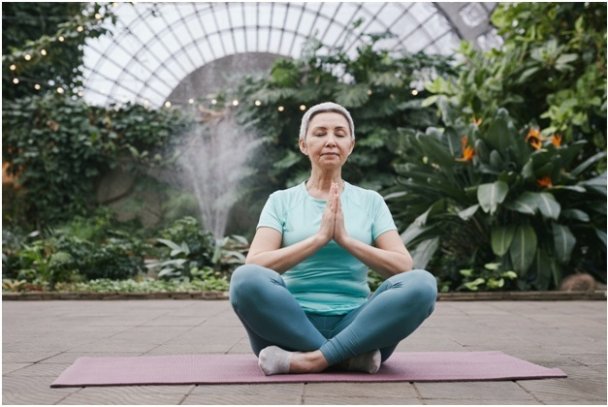
The Core Pillars of Holistic Mental Health

As we look at mental health in April 2026, we see a growing understanding: our mind, body, and spirit are deeply connected. True well-being comes from caring for all these parts together. This is where self-care empowerment comes in. It’s about taking active steps to build a healthier, more resilient version of ourselves. This approach to empowering holistic self-care helps us gain control over our health journey.
In this extensive guide, we will explore the core pillars of holistic mental health. We will look at how self-care acts as a catalyst for personal empowerment. We will also share practical strategies you can use every day. Finally, we will discuss how to sustain these changes for long-term well-being and resilience. Join us as we uncover how integrating mind, body, and spirit can lead to a more empowered life.
Holistic mental health recognizes that our well-being is a complex interplay of various factors, far beyond just psychological symptoms. It’s an approach that views the individual as a whole, understanding that mental, physical, and spiritual health are inextricably linked. This interconnectedness is not merely a philosophical concept but a practical reality that profoundly impacts our ability to thrive. When one pillar is weak, it inevitably affects the others, creating a domino effect on our overall health.

The mind-body connection, for instance, is a cornerstone of this philosophy. Our thoughts and emotions can manifest as physical symptoms, and conversely, our physical state can significantly influence our mental landscape. Consider how chronic stress can lead to digestive issues or how a balanced diet can improve mood and cognitive function. This dynamic relationship underscores the importance of a comprehensive approach to well-being. For a deeper dive into this vital link, exploring resources on Natural Health & Mental Health can provide valuable insights.
Nutritional psychiatry, a rapidly growing field, highlights the profound impact of what we eat on our mental state. The gut-brain axis, a bidirectional communication pathway between our digestive system and our brain, plays a critical role here. A healthy gut microbiome, rich in diverse beneficial bacteria, can positively influence neurotransmitter production, reduce inflammation, and enhance mental clarity. Conversely, a diet high in processed foods can disrupt this delicate balance, contributing to mood disorders and anxiety. Understanding Why Your Holistic Mind-Body-Spirit Connection Matters is crucial for cultivating true well-being.
As of April 2026, wellness trends increasingly emphasize this integrated perspective, moving away from siloed treatments towards comprehensive care. The World Health Organization (WHO) itself champions self-care as a vital component of health management, acknowledging individuals as active agents in their own well-being. This broader view of Self-care for health and well-being – World Health Organization (WHO) underscores that nurturing our physical vitality is a direct pathway to mental clarity and emotional resilience.
Physical Vitality and Mental Clarity
Physical vitality forms the bedrock of our mental and emotional health. It encompasses everything from the quality of our sleep to the nutrients we consume and the movement we engage in. Naturopathic medicine, for example, offers a holistic framework for understanding and optimizing physical health, focusing on natural remedies and the body’s inherent healing capabilities. Learning more about What is Naturopathic Medicine? can illuminate how these principles support overall well-being.
Adequate sleep hygiene is paramount. A consistent sleep schedule, a dark and cool environment, and winding down before bed are not just luxuries; they are essential for cognitive function, emotional regulation, and physical repair. Sleep deprivation can exacerbate stress, impair decision-making, and heighten emotional reactivity.
Exercise is another powerful tool. Regular physical activity triggers the release of endorphins, often referred to as “feel-good” hormones, which naturally elevate mood and reduce stress. It also helps regulate hormonal balance, which can have a significant impact on mental stability. For instance, imbalances can contribute to conditions like chronic pain and inflammation, which are deeply intertwined with mental health challenges. Addressing Chronic Pain and Inflammation through holistic means can therefore also alleviate mental distress. Prioritizing physical health through these avenues is a direct investment in our mental clarity and resilience.
Emotional Resilience and Spiritual Connection
Emotional resilience is our capacity to navigate life’s inevitable challenges, bounce back from adversity, and adapt to change. It’s not about avoiding difficult emotions, but rather developing the tools to process them constructively. A key component of this is self-awareness—understanding our emotional triggers, patterns, and needs. This insight allows us to respond thoughtfully rather than react impulsively.
Our spiritual connection, whether through organized religion, mindfulness practices, or a deep appreciation for nature, provides a sense of purpose-driven living and belonging. It offers a framework for meaning, values, and a connection to something larger than ourselves, which can be a profound source of comfort and strength during difficult times. This journey towards inner peace and understanding is often described as a process of Cleanse Your Soul: A Guide to Total Healing.
Cultivating intrinsic motivation, or engaging in activities for their inherent satisfaction rather than external rewards, also plays a significant role in emotional well-being. When we pursue what truly resonates with us, it fosters a sense of fulfillment and personal agency. Practices like meditation and self-reflection can enhance emotional regulation, allowing us to observe our emotions without being overwhelmed by them. By nurturing our emotional and spiritual selves, we build a robust inner foundation that supports our mental health and empowers us to live authentically.
Self-Care as a Catalyst for Personal Empowerment
Self-care, at its heart, is not merely about indulgence; it’s a strategic and often radical act of prioritizing one’s well-being in a world that frequently demands the opposite. It is a powerful catalyst for personal empowerment, enabling individuals to reclaim agency over their lives and cultivate a profound sense of self-efficacy. When we consciously choose to nurture ourselves, we are asserting our inherent worth and capacity for informed decision-making. This commitment to personal well-being is a fundamental step towards empowering holistic self-care.

In a society that often glorifies constant productivity and self-sacrifice, engaging in self-care can feel like a act. As one source notes, Empowering Yourself: Self-Care as a Radical Act in a Stressful World challenges the notion that our worth is solely tied to our output. It’s about recognizing that our well-being is non-negotiable and essential for showing up fully in all aspects of life. This shift in perspective is crucial for fostering a sense of personal power and control.
Empowerment involves gaining control over our lives, linking our goals to our efforts, and achieving meaningful results. It’s a process that develops skills like self-awareness, self-efficacy, and emotional regulation. As highlighted in Discovering Self-Empowerment: 13 Methods to Foster It, these methods are not just theoretical but provide actionable pathways to greater personal agency.
At NuWell Health, we’ve observed that when individuals embrace self-care, their sense of personal power significantly increases. In fact, our survey results show an impressive average approval rating of 99% for self-care and wellness events, indicating a strong positive response to these empowering practices. This demonstrates that when people are given the tools and permission to prioritize themselves, they experience tangible benefits and a heightened sense of control over their health journey. A key framework for this is the 3A Framework: Awareness of benefits, Action to integrate self-care, and Accountability through coaching and systems. This structured approach helps transform passive desires for well-being into active, sustainable practices.
Professional and Personal Growth through Holistic Mental Health
The impact of self-care empowerment extends profoundly into both our professional and personal lives, fostering significant growth and resilience. When we prioritize our well-being, we enhance our capacity for work-life integration, moving beyond the elusive concept of “balance” to a more cohesive, sustainable way of living. This holistic approach to Lifestyle & Preventive Health is not just about avoiding burnout; it’s about optimizing our potential.
Self-care directly boosts productivity, not by working longer hours, but by working smarter and with greater mental clarity. When our minds are rested and our bodies are nurtured, we are better equipped to focus, problem-solve, and innovate. Studies consistently show that well-rested individuals make better decisions and are more effective leaders. This translates into enhanced leadership capabilities and a greater capacity for creative innovation, as a calm and resilient mind is a fertile ground for new ideas.
For women, in particular, self-care empowerment is critical. Societal expectations often place immense pressure on women to excel professionally while also managing significant family and caregiving responsibilities. This can lead to chronic stress, guilt, and burnout. Research indicates that women with higher stress levels often face more difficulty becoming pregnant than those with lower stress levels. Furthermore, women experience higher rates of depression, anxiety, panic disorder, and obsessive-compulsive disorder than men, and tension headaches are more common in women. These statistics underscore the urgent need for women to prioritize their well-being.
The insights from The Power of Self-Care: Empowering Women to Prioritize Their Well-Being | Health Centre NZ resonate strongly here, emphasizing that self-care is not a luxury but a strategic necessity for women to achieve success, resilience, and fulfillment in all their roles. By empowering ourselves through self-care, we create a positive ripple effect, improving our relationships, fostering a more supportive environment, and ultimately contributing to a more balanced and productive society.
Addressing the Root Causes of Emotional Pain
At NuWell Health, we have found that true empowerment begins by identifying the underlying triggers of distress rather than merely suppressing symptoms. This philosophy is central to our approach to holistic mental health. We believe that lasting well-being comes from addressing the fundamental issues that contribute to emotional pain and trauma, rather than just managing the surface-level manifestations.
Many conventional approaches focus on symptom reduction, which can offer temporary relief but often leaves the root causes unaddressed. Our focus, however, is on getting to the bottom of these deeper issues. For those seeking to understand this deeper work, exploring resources like Getting to the Bottom of Emotional Pain and Trauma can provide a comprehensive perspective on unraveling complex emotional patterns.
This commitment to addressing the fundamental drivers of distress is encapsulated in our philosophy of Roots Over Remedies. It means looking beyond quick fixes and engaging in a process of self-discovery and healing that targets the source of discomfort. This might involve cognitive restructuring, where we challenge and reframe negative thought patterns that contribute to emotional pain. It also involves cultivating personal agency, empowering individuals to actively participate in their healing journey by making conscious choices that support their well-being. By understanding and transforming these root causes, we enable individuals to build a more resilient and empowered emotional foundation, leading to sustainable mental health.
Practical Strategies for Daily Empowerment
Integrating self-care into our daily lives is paramount for fostering long-term empowerment. It transforms abstract notions of well-being into tangible, actionable steps. These practices, when consistently applied, reinforce our commitment to ourselves and build a robust foundation for holistic mental health.
One of the most powerful strategies is mindfulness. This practice involves focusing on the present moment, observing thoughts and feelings without judgment. Whether through formal meditation sessions or simply taking a few conscious breaths during a busy day, mindfulness reduces stress, improves focus, and enhances emotional regulation. It strengthens the Mind-Body Connection in Mental Health, allowing us to better understand and respond to our internal states.
Journaling is another transformative technique. It provides a private space for self-reflection, allowing us to process emotions, identify patterns, and gain clarity on our experiences. By regularly committing our thoughts to paper, we can uncover insights, set intentions, and track our progress toward personal goals.
Boundary-setting is arguably one of the most empowering self-care practices. It involves clearly defining our limits—in relationships, work, and personal commitments—and communicating them effectively. This protects our time, energy, and emotional well-being, preventing burnout and fostering healthier interactions. As articulated by Self-Care Empowered – Empowering Self Care, self-care is about taking an active role in defining and meeting our needs, not just passive indulgence.
Time-blocking, a practical time management technique, involves scheduling specific blocks of time for self-care activities, treating them with the same importance as work meetings. This ensures that self-care isn’t relegated to an afterthought but is intentionally integrated into our daily routines.
Habit formation research indicates that consistency is key. It takes a minimum of six weeks of regular practice to develop a habit that becomes an ingrained part of a healthy lifestyle. This “six-week rule” highlights the importance of sustained effort and patience when building new self-care routines.
Self-Care Approach Focus Immediate Benefit Long-Term Impact Active Self-Care Intentional, often challenging, growth-oriented Sense of accomplishment, clarity Resilience, self-efficacy, sustainable well-being Passive Relaxation Restorative, unwinding, often indulgent Stress reduction, comfort Temporary relief, potential for avoidance This distinction between active self-care and passive relaxation is vital. While both have their place, active self-care, such as setting boundaries or engaging in mindful practices, directly contributes to empowerment by building skills and fostering agency.
Overcoming Barriers to Holistic Mental Health
Even with the best intentions, integrating self-care can be challenging. Common obstacles often include time constraints and feelings of guilt. In our demanding world, finding dedicated time for ourselves can feel impossible, leading many to postpone or abandon self-care altogether. However, viewing self-care as an essential investment rather than a luxury is a critical mindset shift.
Guilt, particularly prevalent for women, stems from societal expectations that often prioritize the needs of others over one’s own. Women are more prone to stress-related weight gain than men, highlighting the physical toll of neglecting self-care due to these pressures. This can lead to a cycle where neglecting self-care exacerbates stress, which in turn makes it harder to prioritize well-being. Recognizing that self-care is not selfish but a necessary act of self-preservation is crucial for overcoming this barrier. For more on nurturing your mental and emotional well-being, visit Mental Health & Emotional Wellness.
We must challenge these ingrained societal expectations and embrace guilt-free prioritization. This involves learning to say “no” to commitments that drain our energy and setting clear boundaries to protect our personal space and time. When we allow pain to steal our joy, as explored in When Pain Steals Joy, it often signals a deeper need for intentional self-care and boundary-setting. By actively working to dismantle these internal and external barriers, we pave the way for a more consistent and empowering self-care practice, ultimately enhancing our holistic mental health.
Integrating Routines for Long-Term Success
Sustainable self-care empowerment hinges on the consistent integration of practices into our daily lives, transforming them into routines that support our long-term well-being. This isn’t about adding more to an already packed schedule but about strategically weaving self-care into the fabric of our days.
Morning rituals, for example, can set a positive tone for the entire day. This might involve a few minutes of meditation, journaling, gentle stretching, or simply enjoying a cup of tea in quiet reflection. These small, consistent actions build momentum and reinforce a commitment to self-care.
A digital detox, even for short periods, can significantly reduce mental clutter and stress. Designating screen-free times, such as an hour before bed or during meals, allows our minds to rest and reconnect with the present moment.
Nutrient-dense fueling is fundamental. Prioritizing whole, unprocessed foods supports brain health, energy levels, and mood stability. Hydration is equally important, as even mild dehydration can impact cognitive function and emotional state. Consistent movement throughout the day, beyond formal exercise, can also make a difference—taking the stairs, stretching during breaks, or a short walk can invigorate both body and mind. This continuous attention to the Mind-Body Connection is vital.
Finally, accountability partners can be incredibly effective in sustaining new habits. Sharing our self-care goals with a trusted friend or mentor can provide encouragement, motivation, and a sense of shared commitment. By thoughtfully integrating these routines, we create a sustainable framework for long-term self-care empowerment, ensuring that our well-being remains a consistent priority.
Sustaining Long-Term Well-being and Resilience
Building a foundation of self-care is one thing; sustaining it for the long haul is another. Long-term well-being and resilience are not destinations but ongoing journeys that require continuous attention, adaptation, and a robust support system. Our ability to navigate life’s inevitable fluctuations with grace and strength is directly tied to how well we nurture these aspects.
Support systems play a pivotal role in this sustained effort. This includes friends, family, mentors, or professional communities that offer encouragement, understanding, and a safe space to share experiences. Social wellness, the cultivation of healthy and meaningful relationships, is a powerful antidote to isolation and stress. At NuWell Health, our findings align with broader research indicating that a robust support network significantly reduces the physiological impact of chronic stress, contributing to greater resilience.
Mentorship can provide invaluable guidance, offering perspectives and strategies from those who have navigated similar paths. Community-based self-care activities, such as group fitness classes, meditation circles, or shared hobbies, foster a sense of belonging and collective well-being. These interactions reinforce the idea that self-care is not a solitary endeavor but a shared human experience.
Resilience building is an active process that involves developing coping mechanisms, practicing adaptability, and maintaining a positive outlook even in the face of adversity. It’s about learning from challenges and emerging stronger. The journey of self-care empowerment is a lifelong one, requiring us to be flexible and adjust our practices as our needs evolve. As of April 2026, preventive health strategies increasingly emphasize the role of strong social connections and community engagement in maintaining mental and physical health.
The Ripple Effect of Individual Empowerment
The commitment to individual self-care and empowerment creates a profound ripple effect that extends far beyond the individual, positively impacting relationships, communities, and even broader societal structures. When we prioritize our own well-being, we become powerful models for others, demonstrating the importance of self-nurturing and boundary-setting. This modeling behavior inspires friends, family, and colleagues to consider their own self-care practices, fostering a culture of wellness.
Improved relationship quality is a direct outcome of individual empowerment. When we are well-rested, emotionally regulated, and clear about our needs, we can engage more authentically and empathetically with others. This leads to stronger, more resilient connections built on mutual respect and understanding.
On a broader scale, a population that embraces self-care contributes to community thriving. Empowered individuals are more likely to be engaged citizens, contributing positively to their neighborhoods, workplaces, and social causes. This collective well-being can lead to a reduced strain on healthcare systems, as preventive self-care practices mitigate the onset and severity of many chronic conditions, both physical and mental. Individual empowerment through self-care contributes to a collective healing, fostering a more compassionate, productive, and resilient society for everyone.
Measuring Progress and Celebrating Growth
To sustain long-term well-being and resilience, not only implement self-care practices but also to regularly assess their effectiveness and celebrate our progress. This process of self-reflection allows us to adapt our routines as our needs change and reinforces the positive impact of our efforts.
Wellness apps and mood tracking journals can be invaluable tools for monitoring our emotional states, energy levels, sleep patterns, and adherence to self-care activities. By collecting this data, we can identify trends, understand what practices are most beneficial, and pinpoint areas that may require adjustment. This objective feedback helps us refine our approach to self-care, making it more personalized and effective.
Milestone celebration, no matter how small, is crucial for maintaining motivation and fostering a sense of accomplishment. Whether it’s consistently sticking to a morning meditation for a week, successfully setting a new boundary, or simply recognizing a moment of mindful presence, acknowledging these achievements reinforces positive behaviors. These celebrations don’t need to be grand gestures; a quiet moment of gratitude or sharing our success with an accountability partner can be powerful.
Crucially, this process should be infused with self-compassion. There will be days when we fall short of our self-care goals, and that’s perfectly normal. Instead of self-criticism, self-compassion encourages us to treat ourselves with kindness and understanding, recognizing our shared humanity and the inherent challenges of life. This gentle approach ensures that self-care remains a supportive journey rather than another source of pressure, fostering sustained growth and resilience.
Frequently Asked Questions about Holistic Mental Health
What is the difference between self-care and self-empowerment?
Self-care involves the deliberate actions taken to maintain well-being, such as getting enough sleep, eating nutritious food, or engaging in relaxing hobbies. It’s about nurturing oneself to prevent burnout and maintain health. Self-empowerment, on the other hand, is the process of gaining the strength, confidence, and internal resources to claim one’s rights, make meaningful choices, and control one’s life. While self-care is a foundational component, self-empowerment is the broader outcome of consistently prioritizing one’s needs and actively shaping one’s circumstances. Self-care fuels self-empowerment.
How long does it take to see the benefits of a holistic routine?
While some immediate benefits, such as reduced stress or improved mood, can be felt almost instantly after engaging in a self-care practice, the deeper, transformative effects of a holistic routine take time. Research indicates it takes a minimum of six weeks of regular practice to develop a habit that becomes a permanent part of a healthy lifestyle. For profound changes in mental health, physical vitality, and spiritual connection, consistent application over several months is often necessary. Patience and persistence are key, as the benefits accumulate over time, leading to lasting well-being and resilience.
Why is a holistic approach more effective than traditional methods alone?
A holistic approach is often more effective because it addresses the root causes of mental health challenges—such as inflammation, nutritional deficiencies, chronic stress, emotional trauma, and lack of social connection—rather than just treating the symptoms. Traditional methods, while valuable, sometimes focus primarily on symptom management (e.g., medication for anxiety). By integrating physical, emotional, and spiritual dimensions, a holistic framework provides a comprehensive strategy that promotes sustainable, long-term health. It empowers individuals to become active participants in their healing, fostering a deeper understanding of their own well-being and building resilience from within.
Conclusion
As we navigate the complexities of life in April 2026, the message is clear: true well-being stems from a holistic integration of our mind, body, and spirit. Self-care is not a luxury but a fundamental act of personal agency and empowerment, a radical declaration of our inherent worth. By understanding the interconnectedness of our health pillars, embracing practical self-care strategies, and diligently overcoming common barriers, we can cultivate profound emotional resilience and sustained vitality.
The journey of self-care empowerment is a lifelong one, marked by continuous learning, adaptation, and the invaluable support of our communities. Each conscious choice we make to nurture ourselves creates a powerful ripple effect, enhancing our relationships, boosting our productivity, and contributing to a healthier, more compassionate world. We encourage you to embark on this transformative path, knowing that by investing in yourself, you are building a foundation for sustainable empowerment and a life lived with greater joy and purpose.