
The Biological Foundation of Regenerative Aesthetics
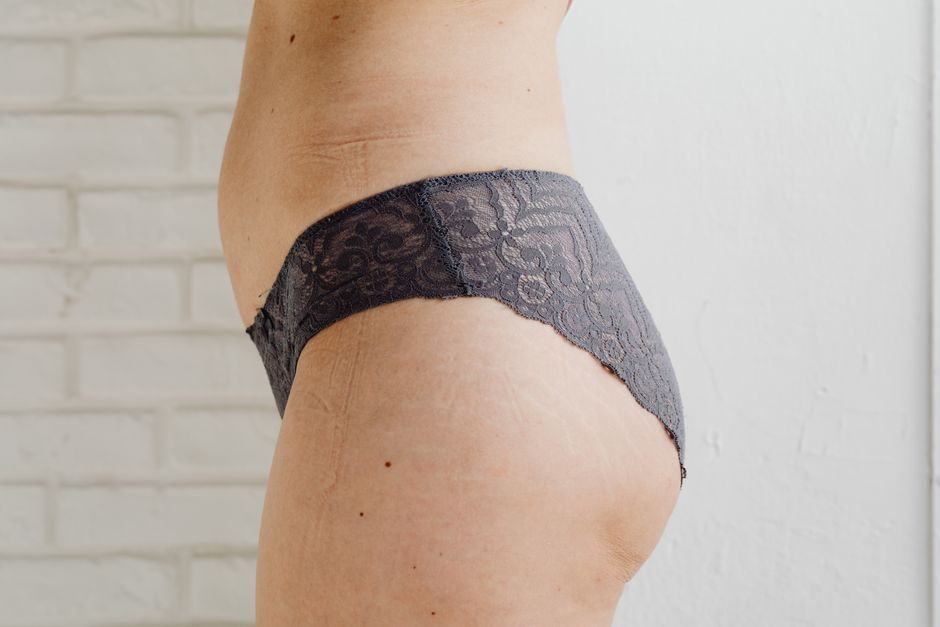
We are seeing exciting breakthroughs in treatments like microneedling. This article will explore how advanced techniques, such as RenewMD regenerative microneedling, are revolutionizing the treatment of stretch marks. We will uncover the science behind microneedling, its proven efficacy for different types of stretch marks, and how combining it with therapies like PRP, PRF, and stem cell conditioned medium enhances results. Join us as we discuss the promising future of skin repair and renewal.

To truly understand how regenerative aesthetics addresses stretch marks, it’s crucial to delve into the underlying biological mechanisms. Stretch marks, scientifically known as striae distensae, are a common form of dermal scarring that results from rapid stretching of the skin. This rapid expansion, often triggered by pregnancy, puberty, significant weight fluctuations, or even certain medical conditions, places immense stress on the skin’s structural integrity. The dermis, the middle layer of the skin, is particularly affected. Here, the collagen and elastin fibers – essential proteins responsible for skin’s strength, elasticity, and resilience – undergo significant disruption and fragmentation. This breakdown leads to a thinning of the dermis and a disorganization of the extracellular matrix, the intricate network of molecules that provides structural and biochemical support to surrounding cells.
Traditional treatments often fall short because they primarily address the superficial layers of the skin, failing to reach the deeper dermal damage that characterizes stretch marks. Regenerative aesthetic approaches, however, are designed to work at this fundamental biological level. By stimulating the body’s natural healing processes and promoting cellular signaling, these treatments aim to rebuild and reorganize the damaged collagen and elastin, restoring the skin’s texture and appearance from within. This is the core principle behind RenewMD regenerative microneedling, which harnesses the body’s innate capacity for self-repair.
Understanding Striae Rubrae vs. Striae Albae
Stretch marks are not a monolithic condition; they evolve through distinct stages, each with its own biological characteristics and implications for treatment. Understanding these differences is key to optimizing therapeutic strategies.
Initially, stretch marks appear as striae rubrae, or red stretch marks. In this early, acute phase, the marks are typically red, pink, or purple. This coloration is due to active inflammation and increased vascular activity in the affected dermal tissue. During this stage, the body is actively attempting to repair the damage, making these marks more responsive to treatment. The presence of blood vessels and inflammatory cells provides a rich environment for collagen stimulation and tissue regeneration. As such, early intervention during the striae rubrae phase often yields more pronounced improvements.
Over time, if left untreated, striae rubrae mature into striae albae, or white stretch marks. This chronic phase is characterized by a significant reduction in vascularity, a decrease in inflammatory activity, and the formation of mature, fibrotic scar tissue. The marks become silver, white, or skin-toned, often appearing atrophic and depressed. The collagen fibers in striae albae are highly organized but abnormal, lacking the interwoven structure of healthy skin. This mature fibrosis and reduced cellular activity make striae albae more challenging to treat compared to their red counterparts, requiring more intensive and prolonged interventions. For a deeper dive into the nuances of these conditions, we recommend exploring resources like “Stretching the Truth: Treating Stretchmarks.”
Clinical studies consistently show that striae rubrae demonstrate greater overall improvement compared to striae albae when treated with microneedling (P = .012), underscoring the importance of early intervention. This difference in treatment responsiveness highlights the need for tailored protocols based on the stage of the stretch mark.
The Role of Growth Factors in Regenerative Aesthetics
At the heart of regenerative aesthetics lies the strategic utilization of growth factors – powerful bioactive proteins that orchestrate cellular growth, proliferation, differentiation, and tissue remodeling. These vital molecules act as cellular messengers, signaling to cells to initiate and accelerate repair processes. In the context of stretch mark treatment, growth factors play a pivotal role in stimulating fibroblasts, the cells responsible for producing collagen and elastin, and promoting the regeneration of healthy skin tissue.
Autologous concentrates, such as Platelet-Rich Plasma (PRP) and Platelet-Rich Fibrin (PRF), are at the forefront of this approach. Derived from the patient’s own blood, these concentrates are rich in a potent cocktail of growth factors (e.g., PDGF, TGF-β, VEGF, EGF, IGF-1) that are crucial for wound healing and tissue regeneration. When applied topically or injected into the treated area, they significantly enhance the body’s natural healing cascade, leading to improved collagen synthesis and extracellular matrix remodeling.
Beyond blood-derived products, the field is also exploring the potential of mesenchymal stem cells and their conditioned medium. Mesenchymal stem cells secrete a complex array of growth factors, cytokines, and exosomes that can promote tissue repair and reduce inflammation. Research, such as the “Evaluation of the efficacy of mesenchymal stem cells derived conditioned medium,” continues to demonstrate how these advanced biological agents can significantly improve outcomes, offering a new frontier in regenerative aesthetics by providing concentrated cellular signaling for enhanced skin repair.
Microneedling: A Cornerstone of Regenerative Skin Repair

Microneedling, also known as Collagen Induction Therapy (CIT), has emerged as a cornerstone treatment in regenerative aesthetics for its ability to effectively address stretch marks and other skin concerns. The fundamental principle behind microneedling is deceptively simple yet profoundly effective: it involves the use of a device equipped with fine, sterile needles to create thousands of microscopic channels in the skin’s surface. These controlled micro-injuries are not intended to cause significant damage but rather to trigger the body’s innate wound healing response.
This process initiates a cascade of biological events, primarily leading to neocollagenesis (the formation of new collagen) and neoelastogenesis (the formation of new elastin). By bypassing the stratum corneum, the outermost layer of the skin, microneedling allows for direct stimulation of the dermal fibroblasts, which are crucial for producing these essential structural proteins. The micro-channels also enhance the absorption of topical therapeutic agents, such as growth factors, peptides, and specialized serums, allowing them to penetrate deeper into the skin where they can exert their regenerative effects more efficiently.
The efficacy of microneedling for striae distensae has been well-documented. A systematic review and meta-analysis on “Microneedling Therapy for Striae Distensae” found that microneedling, particularly microneedle radiofrequency treatment, produced statistically significant clinical improvement for stretch marks (SMD: 0.57, 95% CI 0.20-0.94, P = 0.003). This robust evidence solidifies microneedling’s position as a highly effective and minimally invasive option for skin repair.
The Collagen Remodeling Cascade
The regenerative power of microneedling stems from its ability to activate a sophisticated, three-phase collagen remodeling cascade, mimicking the body’s natural healing process. This cascade is critical for repairing the damaged dermal architecture characteristic of stretch marks.
- Phase 1: Inflammatory Trigger (Days 1-3): Immediately following the microneedling procedure, the controlled micro-injuries trigger a localized inflammatory response. Platelets are activated, releasing various growth factors and cytokines that attract neutrophils and macrophages to the site. This initial phase is characterized by temporary redness and swelling, signaling the commencement of the healing process. It’s a vital activation step, setting the stage for subsequent tissue repair.
- Phase 2: Proliferation and New Matrix Formation (Days 4-14): As inflammation subsides, the proliferation phase begins. Fibroblasts migrate to the treated area, proliferate, and begin synthesizing new collagen (Type III), elastin, and other components of the extracellular matrix. Angiogenesis (formation of new blood vessels) also occurs, improving nutrient and oxygen supply to the regenerating tissue. This phase is crucial for laying down the foundational elements of new, healthy skin.
- Phase 3: Remodeling and Maturation (Days 15-180+): This is the longest and most critical phase, where the newly formed Type III collagen is gradually replaced by stronger, more organized Type I collagen. The tissue remodels, contracts, and matures, leading to a significant improvement in skin texture, elasticity, and firmness. This maturation process can continue for several months, often up to 180 days or even longer, underscoring why patience is key when evaluating microneedling results. Technologies like Potenza RF Microneedling further enhance this cascade by adding radiofrequency energy, which stimulates deeper collagen contraction and production, leading to more robust remodeling.
Optimizing Needle Depth for Body Treatments
Effective microneedling for stretch marks, especially on the body, requires careful consideration of needle depth. The skin on the body, particularly areas prone to stretch marks like the abdomen, thighs, hips, and breasts, is generally thicker than facial skin. The dermal damage associated with stretch marks also typically resides deeper within the skin, often between 1.5 to 3 millimeters beneath the surface.
Therefore, for body stretch marks, practitioners typically recommend deeper needle penetration compared to facial treatments. Depths ranging from 1.5mm to 2.5mm are commonly employed to ensure that the micro-injuries reach the appropriate dermal layers where collagen and elastin disruption has occurred. This deeper penetration is essential to effectively stimulate the fibroblasts and trigger the neocollagenesis and neoelastogenesis necessary for significant improvement.
While deeper penetration is crucial, maintaining epidermal integrity and patient comfort remains paramount. Advanced microneedling devices allow for precise control over needle depth, ensuring that the treatment is both effective and safe. The mechanical stimulation from the needles, at the correct depth, creates the necessary pathways for regenerative processes to begin, leading to improved texture and tone. Clinics offering specialized services, such as Microneedling in Sacramento, CA, understand these nuances and tailor treatments to specific body areas and individual skin characteristics.
Synergistic Modalities: PRP, PRF, and Stem Cell Media
While microneedling monotherapy is effective, its regenerative potential can be significantly amplified when combined with advanced autologous concentrates such as Platelet-Rich Plasma (PRP) and Platelet-Rich Fibrin (PRF), or even cutting-edge stem cell conditioned media. These synergistic modalities introduce a concentrated dose of growth factors and signaling molecules directly into the micro-channels created by microneedling, accelerating and enhancing the body’s natural healing and regenerative processes.
Platelet-Rich Plasma (PRP) is prepared by drawing a small amount of the patient’s blood, which is then centrifuged to separate the plasma rich in platelets. These platelets contain a high concentration of growth factors vital for tissue repair. Platelet-Rich Fibrin (PRF) is a newer generation concentrate, also derived from the patient’s blood, but processed differently to create a fibrin matrix that traps platelets, leukocytes, and growth factors, allowing for a slower, sustained release of these beneficial components over a longer period.
Mesenchymal stem cells (MSCs) and their conditioned media represent an even more advanced frontier. MSCs are multipotent cells capable of self-renewal and differentiation into various cell types. Their conditioned medium, rich in exosomes, growth factors, and cytokines, can provide powerful regenerative signals without directly introducing cells. When applied during or after microneedling, these substances penetrate deeply, fostering an optimal environment for collagen remodeling and tissue regeneration. For a detailed comparison of these blood concentrates, studies like “Microneedling with autologous platelet rich fibrin versus microneedling with autologous platelet rich plasma in treatment of abdominal stretch marks” provide valuable insights.
Feature Platelet-Rich Plasma (PRP) Platelet-Rich Fibrin (PRF) Preparation Centrifuged at higher speed, often with anticoagulant Centrifuged at lower speed, no anticoagulant, fibrin matrix forms Composition Platelets, growth factors in liquid plasma Platelets, leukocytes, growth factors embedded in fibrin matrix Growth Factor Release Rapid, burst release (hours) Slower, sustained release (days to weeks) Cost Generally moderate Often more cost-effective due to simpler preparation Efficacy for Stretch Marks Statistically significant improvement, high satisfaction Superior results reported in some studies, high satisfaction Additives May contain anticoagulants All-natural, no additives Clinical Evidence for Combination Therapies
The integration of microneedling with autologous blood products has moved beyond theoretical benefits to demonstrate compelling clinical evidence. Studies consistently show that combining microneedling with PRP or PRF significantly enhances outcomes for stretch marks compared to microneedling monotherapy.
For instance, a comparative study on “microneedling monotherapy versus microneedling with autologous PRP” revealed impressive results. Of the participants treated with microneedling plus autologous PRP, a remarkable 86.6% reported being very satisfied with their results. This stands in contrast to 73.3% satisfaction with microneedling monotherapy alone, highlighting the significant boost in patient satisfaction and clinical efficacy offered by the combination approach. The study also noted statistically significant improvement in Manchester Scar Scale scores in the combination therapy group, indicating objective aesthetic enhancement. This underscores that the concentrated growth factors in PRP actively contribute to superior collagen induction and tissue regeneration.
Similarly, when comparing PRF to PRP as an adjunct, while some studies found no statistically significant difference in objective measures like the Davey score or stretch mark width, PRF sides often demonstrated superior results in patient satisfaction. This suggests that the sustained release of growth factors from the fibrin matrix in PRF may offer a perceived advantage in the healing process. These advanced treatments are often integrated into comprehensive service offerings like Microneedling with PRP, providing patients with enhanced regenerative options.
Future Directions for Regenerative Aesthetics
The field of regenerative aesthetics is continuously evolving, pushing the boundaries of skin repair and rejuvenation. Beyond PRP and PRF, researchers and clinicians are actively exploring even more sophisticated modalities to optimize the treatment of stretch marks and other challenging skin conditions.
One promising area is the use of conditioned medium derived from mesenchymal stem cells. This medium, rich in exosomes – tiny vesicles containing proteins, lipids, and nucleic acids – acts as a powerful intercellular messenger, delivering regenerative signals to recipient cells. These exosomes can promote tissue repair, reduce inflammation, and stimulate collagen production more than traditional growth factors alone. The potential for bio-identical peptides, engineered to mimic specific growth factors or signaling molecules, also holds significant promise for targeted regenerative acceleration.
These advanced treatments aim to create personalized protocols that leverage the unique biological needs of each patient. By combining the mechanical stimulation of microneedling with the targeted biological signals from stem cell conditioned medium or exosomes, we can unlock new levels of regenerative potential. Services like Microneedling with Stem Cells & Mesenchymal Exosomes are at the forefront of these innovations, offering patients access to the next generation of skin repair technologies designed for more profound and sustainable results. The ongoing research in this domain promises to further refine our ability to regenerate healthy, resilient skin.
Clinical Outcomes and Patient Expectations
Setting realistic expectations is paramount when discussing microneedling for stretch marks. While the treatment offers significant improvements, it’s important to understand that “improvement” does not always equate to “complete erasure.” Microneedling works by stimulating the body’s natural regenerative processes, which take time and multiple sessions to manifest fully.
Clinical studies provide valuable insights into the expected outcomes. For instance, microneedling treatment for striae rubrae (red stretch marks) showed a 43.89% improvement in Manchester Scar Scale scores at 3 months post-treatment, further increasing to 48.89% at 6 months. For striae albae (white stretch marks), improvements were 36.69% at 3 months and 41.61% at 6 months. This demonstrates continued improvement over several months, emphasizing the long-term nature of collagen remodeling. A “Comparative Study to Evaluate the Safety and Efficacy of Microneedling as a Stand-Alone Treatment” confirmed these trends, highlighting the safety and efficacy of microneedling for both types of stretch marks.
Patient satisfaction is also a key metric. While objective scales measure physical changes, patient perception of improvement is crucial. Microneedling has shown significant superiority over both laser (P = 0.04) and non-laser treatments (SMD: 0.95, 95% CI 0.52-1.38, P < 0.0001) in patient satisfaction for stretch mark treatment, suggesting that patients feel microneedling delivers on its promise of smoother, more even-toned skin. These results contribute to the overall goal of comprehensive skin resurfacing.
Dermoscopy as an Evaluation Tool
In the realm of regenerative aesthetics, objective assessment tools are vital for tracking progress and validating treatment efficacy. Dermoscopy, a non-invasive diagnostic technique that uses a handheld microscope to visualize subsurface skin structures, has emerged as an invaluable tool for evaluating the therapeutic response to microneedling treatments for stretch marks.
Unlike simple visual assessment, dermoscopy provides a magnified, detailed view of micro-architectural changes within the dermis and epidermis. For stretch marks, dermoscopy can reveal subtle improvements in vascular patterns, collagen organization, and pigmentary changes that might not be immediately apparent to the naked eye. It allows practitioners to objectively monitor the remodeling of collagen fibers, the reduction of inflammation, and the normalization of skin texture.
For example, in striae rubrae, dermoscopy can show a decrease in the prominence of blood vessels as inflammation subsides. In striae albae, it can help visualize the reorganization of collagen bundles, indicating successful neocollagenesis. This objective monitoring not only helps clinicians fine-tune treatment protocols but also provides tangible evidence of progress, enhancing patient confidence. Clinics like Microneedling – Stockton Dermatologist increasingly integrate dermoscopy into their practice to ensure precise and data-driven treatment plans.
Comparative Analysis: Microneedling vs. Laser Therapy
When considering treatments for stretch marks, patients often weigh microneedling against laser therapy. Both modalities aim to stimulate collagen production and improve skin texture, but they achieve this through different mechanisms and carry distinct profiles regarding side effects and recovery.
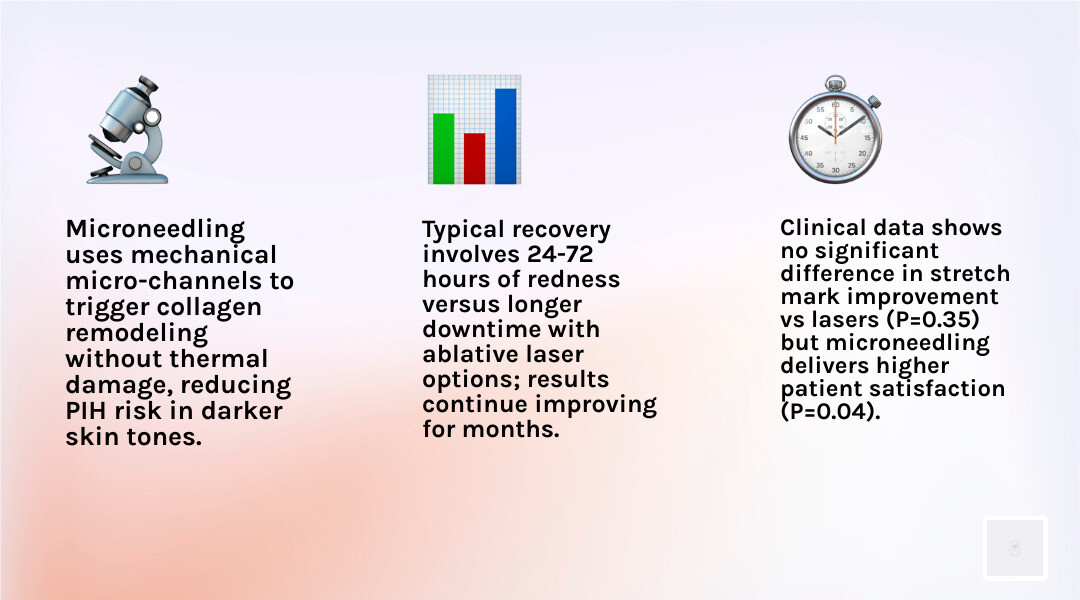
Microneedling primarily works through mechanical injury, creating controlled micro-channels that trigger the body’s natural wound healing cascade. This mechanical stimulation leads to neocollagenesis and neoelastogenesis without significant thermal damage to the surrounding tissue. A key advantage of microneedling is its lower risk of post-inflammatory hyperpigmentation (PIH), especially in individuals with darker skin tones (P = 0.0003). This makes it a safer option for a broader range of Fitzpatrick skin types, where thermal treatments like lasers can sometimes exacerbate pigmentary issues.
Laser therapy, on the other hand, utilizes focused light energy to create thermal injury, either ablative (removing outer skin layers) or non-ablative (heating underlying tissue). While effective, some laser treatments can carry a higher risk of PIH, especially if not performed meticulously or on unsuitable skin types. A systematic review and meta-analysis found no significant difference between microneedling and lasers for clinical improvement of stretch marks (P=0.35), suggesting comparable efficacy. However, microneedling showed significant superiority in patient satisfaction over laser treatments (P = 0.04), indicating a potentially better overall patient experience.
Regarding recovery, microneedling typically involves transient erythema and mild swelling for 24-72 hours, with minimal downtime. While some laser treatments also offer relatively quick recovery, others, particularly ablative lasers, can require longer downtime. Advanced microneedling technologies, such as Infini Microneedling/Genius, combine microneedling with radiofrequency energy, offering enhanced collagen remodeling with a favorable safety profile, bridging the gap between traditional microneedling and more aggressive laser options.
Frequently Asked Questions about Regenerative Aesthetics
As regenerative aesthetics continues to gain prominence, many questions arise regarding the practical aspects of microneedling for stretch marks. Here, we address some of the most common inquiries to provide clarity and set appropriate expectations.
How many sessions are required for mature stretch marks?
The number of microneedling sessions required for stretch marks, particularly mature white ones (striae albae), typically ranges from 4 to 6 sessions, although some individuals with very severe or long-standing marks may benefit from more. These sessions are usually spaced 4 to 6 weeks apart. This interval is crucial to allow the skin to complete the inflammatory and proliferative phases of the collagen remodeling cascade before the next treatment.
Mature stretch marks, due to their fibrotic nature and reduced vascularity, often require deeper needle penetration and a more consistent treatment regimen to stimulate significant neocollagenesis. While some initial improvements might be visible after 2-3 sessions, the most significant and cumulative remodeling effects become apparent after the full series of treatments. Patience is key, as the skin continues to improve for several months following the final session. Consulting with a specialist, like those offering Microneedling in Sacramento, CA, can help determine a personalized treatment plan based on the severity and age of your stretch marks.
Is microneedling safe for all skin types?
One of the significant advantages of microneedling in regenerative aesthetics is its favorable safety profile across a wide range of skin types, including those with higher Fitzpatrick scale classifications (darker skin tones) that are more prone to post-inflammatory hyperpigmentation (PIH). Unlike some energy-based treatments like certain lasers, microneedling creates mechanical micro-injuries without inducing significant thermal damage. This reduces the risk of melanocyte stimulation, which is often the cause of PIH.
While PIH is a potential concern with any procedure that disrupts the skin barrier, microneedling generally carries a lower risk compared to treatments that rely heavily on heat. Proper pre- and post-care, including sun protection and the use of appropriate topical agents, further minimizes this risk. However, it is essential that microneedling is performed by a trained and experienced practitioner who understands different skin types and can adjust needle depth and technique accordingly. Clinics like Microneedling – Fremont Dermatologist emphasize individualized treatment plans to ensure safety and efficacy for all patients.
What is the expected recovery timeline for body treatments?
The recovery timeline for microneedling on body stretch marks is generally manageable, though it can vary slightly depending on the treatment intensity (needle depth), individual skin sensitivity, and the specific area treated. Immediately after the procedure, it’s common to experience transient erythema (redness) and mild swelling, similar to a sunburn. This typically subsides within 24 to 72 hours.
Some patients may also notice minor pinpoint bleeding during the treatment, which resolves quickly. Over the next few days, the skin may feel rough or dry as it begins to heal and shed microscopic flakes. It’s crucial to follow post-treatment care instructions diligently, which usually include avoiding direct sun exposure, using gentle cleansers and hydrating serums, and refraining from harsh exfoliants or active ingredients like retinoids for a few days.
While the initial redness resolves quickly, the deeper collagen remodeling process continues for several months. Therefore, the “recovery timeline” for visible results is longer than the acute post-procedure phase. Most individuals can resume their normal activities within 1-3 days, making it a treatment with relatively minimal downtime. For detailed guidance on what to expect during and after your treatment, resources like Micro-Needling in Fremont, CA can provide valuable information.
Conclusion
As of May 2026, the landscape of aesthetic medicine has been profoundly shaped by innovations in regenerative aesthetics, particularly for challenging conditions like stretch marks. We have explored how microneedling, a cornerstone of this field, leverages the body’s intrinsic healing capabilities to stimulate neocollagenesis and neoelastogenesis, effectively remodeling the dermal architecture damaged by striae distensae.
The journey from understanding the biological nuances of striae rubrae and albae to implementing advanced treatment protocols underscores a shift towards more holistic healing. The integration of synergistic modalities like PRP, PRF, and cutting-edge stem cell conditioned media has demonstrably enhanced clinical outcomes, offering superior patient satisfaction and more profound regenerative acceleration. These evidence-based results, supported by objective evaluation tools like dermoscopy, highlight the efficacy and safety of these approaches across diverse skin types.
Moving forward, the industry standards will continue to prioritize patient-centric care, focusing on personalized protocols that maximize natural repair mechanisms while minimizing downtime and risks. The ongoing research into bio-identical peptides and exosomes promises to further refine our ability to regenerate healthy, resilient skin. Regenerative aesthetics is not just about treating symptoms; it’s about fostering sustainable skin health and empowering individuals to feel confident in their own skin, reflecting a brighter future for aesthetic and wellness practices.