Understanding Full Arch Implant Bridges vs. Traditional Dentures

Missing teeth can greatly affect your daily life. They can make simple tasks like eating and speaking feel challenging. Beyond that, the appearance of your smile can impact your confidence and overall well-being. Many people search for a lasting solution to restore their oral health and feel comfortable smiling again.
Fortunately, modern dentistry offers advanced options. Full-bridge dental implants offer a remarkable way to replace an entire arch of missing teeth. This innovative treatment can restore both the function and beauty of your smile. We understand that exploring such a significant dental procedure can bring many questions. That’s why we’ve put together this comprehensive guide.
We will explain what full arch implant bridges are and how they work. We’ll compare them to traditional dentures and explore different types, such as All-on-4 and All-on-6. We will also cover the materials used, the step-by-step process, and what to expect regarding recovery and longevity. Our goal is to help you understand if pain-free full bridge dental implants are the right choice for you, covering everything from benefits and risks to costs and maintenance.

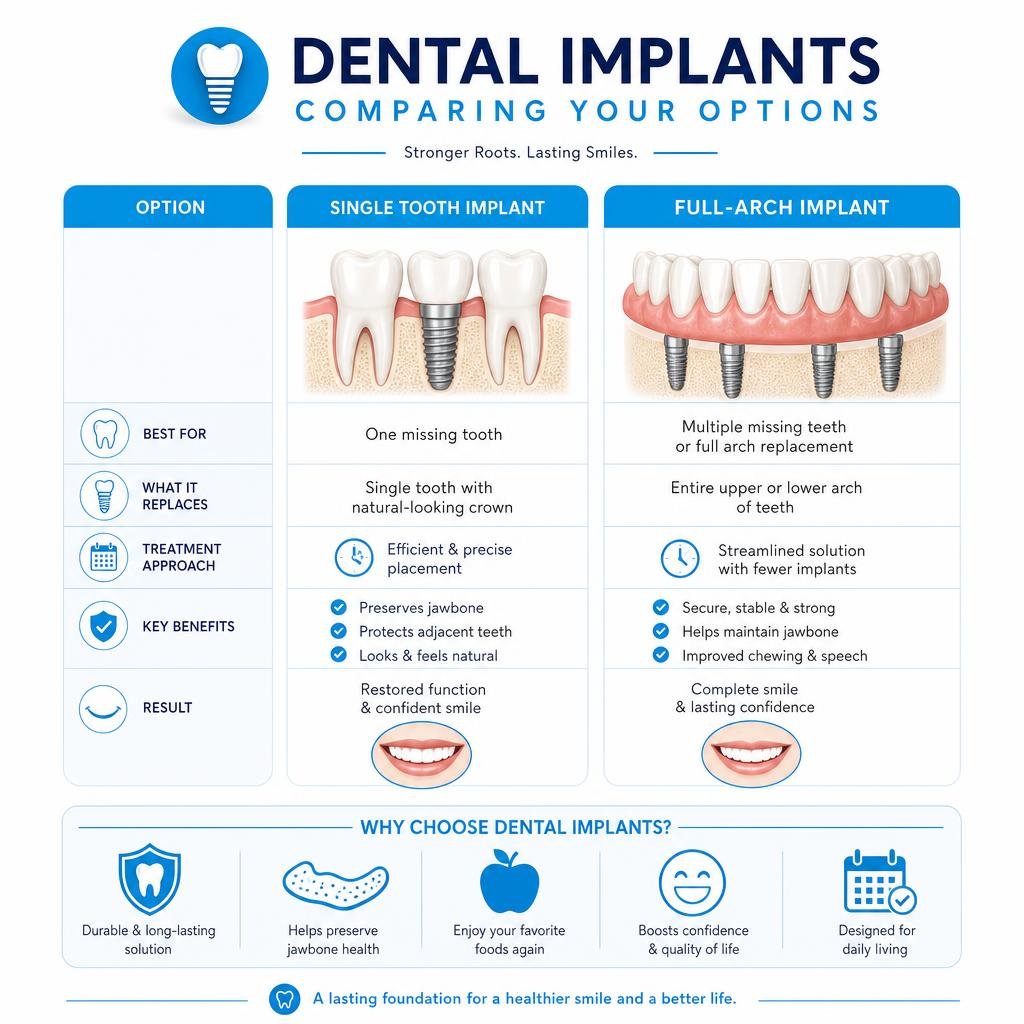
When considering options for replacing an entire arch of missing teeth, two primary solutions often come to mind: traditional dentures and full arch implant bridges. While both aim to restore your smile, their approach, stability, and long-term impact on your oral health and quality of life differ significantly. Full-arch implant bridges offer a transformative solution that addresses concerns such as jawbone preservation, enhanced chewing capacity, and maintenance of your facial structure, which are often compromised with conventional dentures. For those exploring comprehensive solutions for multiple missing teeth, understanding the distinctions is crucial. You can learn more about options for replacing multiple teeth, including implant-supported bridges and full-arch solutions, by visiting resources such as Dental Implants Authority’s guide to multiple tooth implants.
What is a Full Arch Implant Bridge?
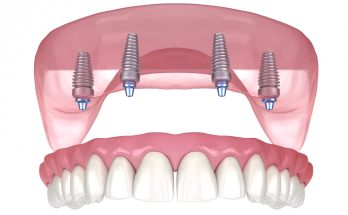
A full arch implant bridge is a state-of-the-art dental restoration designed to replace all the teeth in either your upper or lower jaw. Unlike traditional bridges that rely on adjacent natural teeth for support, an implant bridge is securely anchored by a series of dental implants surgically placed into the jawbone. These implants, typically made of biocompatible titanium, act as artificial tooth roots. Over several months, they integrate with the surrounding bone in a process called osseointegration, creating a strong, stable foundation. Once osseointegration is complete, a custom-designed prosthetic bridge comprising a full set of artificial teeth is permanently attached to these implants. This creates a functional and aesthetic restoration that feels and performs much like natural teeth. The use of implants to support a bridge offers superior stability and a more natural feel than other options. For a deeper dive into how these restorations work, consider exploring information on implant-supported bridges.
How Full Arch Bridges Compare to Traditional Dentures
The comparison between full arch implant bridges and traditional dentures highlights several key advantages of the implant-supported option.
Stability and Comfort: Traditional dentures rest on the gums and can often lead to discomfort, slippage, and embarrassing moments, especially while eating or speaking. This instability can significantly impact a person’s confidence and diet. Full arch implant bridges, however, are firmly anchored to the jawbone, providing unparalleled stability. They eliminate slippage and allow you to eat, speak, and laugh with complete confidence, much like you would with natural teeth.
Chewing Efficiency: With traditional dentures, chewing capacity is significantly reduced, often to as little as 20-30% of natural teeth. This limitation can lead to dietary restrictions and nutritional deficiencies. Implant-supported bridges, by contrast, can restore up to 90% of your natural chewing capacity, allowing you to enjoy a wide variety of foods without concern.
Bone Preservation: One of the most critical differences is the impact on jawbone health. When teeth are missing, the jawbone no longer receives the stimulation it needs, leading to a process called bone resorption, where the bone gradually shrinks. Traditional dentures do nothing to prevent this and can even accelerate it, leading to a sunken facial appearance over time. Dental implants, however, stimulate the jawbone, preventing bone loss and preserving your facial structure.
Longevity and Maintenance: While traditional dentures typically need to be relined or replaced every 5-7 years due to changes in jawbone structure, dental implants are designed for long-term stability. The implants themselves can last a lifetime with proper care, and the prosthetic bridge portion may need replacement due to natural wear, often after 10-15 years. Maintenance for implant bridges is similar to that of natural teeth, involving regular brushing, flossing, and dental check-ups. Traditional dentures, on the other hand, require special cleaning solutions and adhesives.
Speech and Taste: Dentures can sometimes interfere with speech and cover the Palate, diminishing the sense of taste. Implant bridges are designed to be less bulky and do not cover the Palate, allowing for clearer speech and an unaltered sense of taste.
While the initial cost of traditional dentures might seem lower, the long-term benefits, improved quality of life, and reduced need for frequent replacements often make full arch implant bridges a more cost-effective and superior solution in the long run. For those interested in understanding the financial aspects of different tooth replacement options, you might find information on the average cost of dentures helpful for comparison.
Here’s a quick comparison:
Feature Traditional Dentures Full Arch Implant Bridges Support Rests on gums Anchored by dental implants in jawbone Stability Prone to slippage, requires adhesives Highly stable, no slippage Chewing Power 20-30% of natural teeth Up to 90% of natural teeth Bone Health Does not prevent bone loss, can accelerate it Stimulates jawbone, prevents bone resorption Longevity 5-7 years, requires relining/replacement Implants can last a lifetime, bridge 10-15+ years Comfort Can cause sore spots, bulky Feels natural, less bulky Speech Can be affected, may cause lisp Clearer speech Taste Palate often covered, taste can be diminished Palate open, full sense of taste Maintenance Special cleaning, adhesives Regular brushing, flossing, professional clean-ups Cost Lower initial cost, higher long-term maintenance Higher initial investment, lower long-term maintenance Comparing All-on-4, All-on-6, and All-on-8 Configurations
When considering full-arch implant bridges, you’ll often hear about configurations such as All-on-4, All-on-6, and All-on-8. These terms refer to the number of dental implants used to support a full arch of prosthetic teeth. The choice among these options largely depends on individual patient factors, including jawbone density, overall oral health, and the specific biomechanical needs for stable load distribution. These advanced techniques enable efficient and effective full-arch restorations, sometimes even with immediate loading. For example, some clinics specialize in immediate full-arch restoration using these protocols, offering quicker results for eligible patients.
Selecting the Right Number of Implants
The decision to use four, six, or eight implants for a full arch restoration is a strategic one made by your dental specialist.
- All-on-4: This technique uses four strategically placed implants, typically two straight implants in the front and two angled implants in the back. The angled placement in the posterior often helps avoid anatomical structures such as the sinus cavities in the upper jaw (maxilla) or the mental nerve in the lower jaw (mandible), and can utilize existing denser bone. All-on-4 is a popular choice for its efficiency and ability to provide immediate temporary teeth often. It’s particularly effective in the mandible due to its generally higher bone density (D1-D2 bone classification).
- All-on-6: As the name suggests, this method uses six implants to support the full arch. The additional implants provide increased stability and better load distribution and can be particularly beneficial for patients with lower bone density, especially in the maxilla (which often has D3-D4 bone density). The extra support can lead to a more robust, long-lasting restoration by distributing chewing forces more evenly across the jaw.
- All-on-8: While less common, All-on-8 utilizes eight implants for maximum support and stability. This option is typically considered for patients with excellent bone quality and quantity, or when a very specific force distribution is required. It offers the most comprehensive support and can be ideal for patients with significant biting forces or those seeking the highest level of long-term security.
The optimal number of implants is determined during a thorough diagnostic phase, which includes detailed imaging like CBCT scans to assess bone volume and density. The goal is to achieve sufficient biomechanical stability and ensure the longevity of the restoration. For comprehensive information on various approaches to replacing an entire arch, you may want to explore resources on full arch replacement.
What Happens If There Is Not Enough Bone?
One of the most common concerns for individuals considering full-arch implant bridges is whether they have sufficient jawbone to support the implants. When teeth have been missing for an extended period, the jawbone can undergo significant bone resorption, meaning it shrinks and becomes thinner or less dense. This can pose a challenge for implant placement, as implants require a certain amount of healthy bone for successful osseointegration.
However, a lack of adequate bone does not necessarily disqualify you from receiving full arch implants. Modern dentistry offers several advanced techniques to address bone deficiency:
- Bone Grafting: This procedure involves adding bone material to the jawbone to increase its volume and density. The graft material can come from your own body (autogenous graft), a donor (allograft), an animal source (xenograft), or synthetic materials (alloplast). After the bone graft, a healing period of several months (typically 3-6 months, but sometimes longer) is required for the new bone to integrate before implants can be placed. For a detailed understanding of this process, you can refer to information on bone grafting for dental implants.
- Sinus Lift: If bone loss has occurred in the upper jaw near the sinus cavities, a sinus lift (or sinus augmentation) may be necessary. This procedure involves lifting the sinus membrane and placing bone graft material into the space created, allowing new bone to form.
- Ridge Augmentation: This technique aims to restore the natural contour of the jawbone that may have been lost due to tooth extraction or trauma. Bone graft material is placed to increase the width or height of the ridge.
- Strategic Implant Placement (e.g., All-on-4): As mentioned, techniques such as All-on-4 use angled implants to engage denser existing bone in areas that might otherwise be avoided, potentially circumventing the need for extensive bone grafting.
- Mini Implants: In some cases, especially for supporting snap-on overdentures, mini implants (which have a smaller diameter than traditional implants) can be an option where bone volume is limited. However, it’s important to note that mini implants may not offer the same long-term stability and bone preservation benefits as traditional implants for fixed full-arch bridges.
Your dental specialist will conduct a thorough examination, including 3D imaging, to assess your bone structure and determine the most appropriate course of action. If bone grafting is needed, it extends the overall treatment timeline and cost, but it makes full-arch implant bridges possible for many who might otherwise not be candidates.
The Path to Pain-Free Full Bridge Dental Implants
Embarking on the journey to restore your smile with full arch implant bridges is a significant decision, and understanding the process can alleviate any anxieties. Modern dental practices prioritize patient comfort and use advanced techniques to make the experience as pain-free as possible. From initial consultation to the final placement of your new teeth, every step is carefully planned and executed. Clinics like those offering dental implants in Des Plaines are equipped with the technology and expertise to guide you through this transformative process.
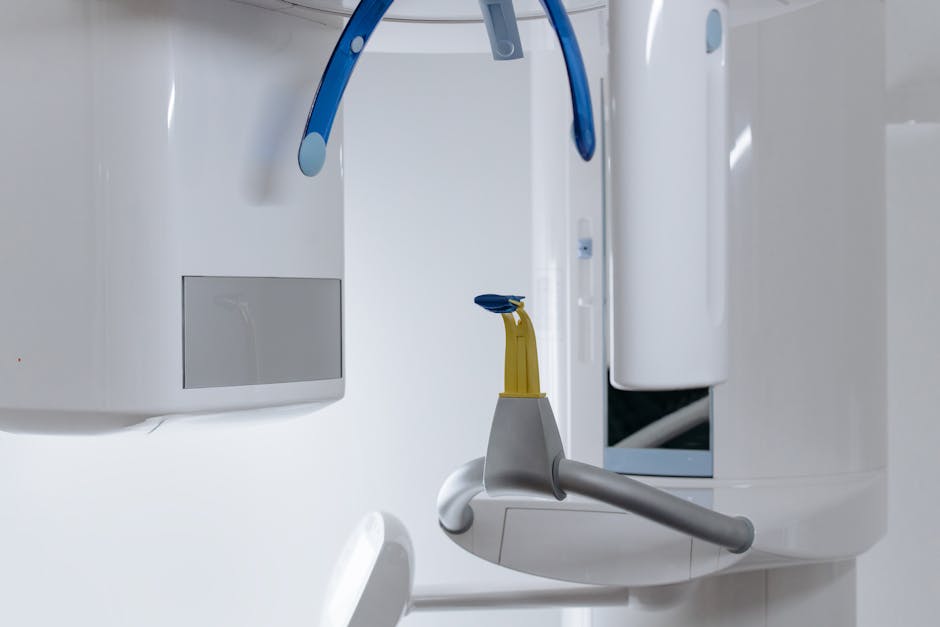
Step-by-Step Process for Pain-Free Full Bridge Dental Implants
The process for getting a full arch implant bridge typically involves several stages, meticulously planned to ensure optimal results and patient comfort.
- Initial Consultation and Planning:
- This crucial first step involves a comprehensive oral examination, review of your medical history, and detailed imaging, including 3D CBCT (Cone Beam Computed Tomography) scans. These scans provide a precise 3D view of your jawbone, nerves, and sinus cavities, allowing the dental team to plan the exact placement of each implant.
- Digital smile design may also be used to visualize your future smile and customize the bridge to your facial features.
- During this phase, any necessary preparatory procedures, such as extractions of remaining unhealthy teeth or initial bone grafting, are discussed and scheduled.
- Implant Placement Surgery:
- On the day of surgery, your comfort is paramount. Local anesthesia will be administered to numb the surgical area, and many patients opt for additional sedation options like oral sedatives or IV sedation to ensure a completely relaxed and pain-free experience.
- Using the precise plan developed from the 3D scans, and often guided by computer-assisted surgical templates, the dental implants (4, 6, or 8, depending on your customized plan) are surgically placed into the jawbone.
- If remaining teeth need to be extracted, this can often be done during the same appointment.
- Osseointegration (Healing Period):
- Following implant placement, a critical healing period begins, typically lasting 3 to 6 months. During this time, the titanium implants fuse with your jawbone through osseointegration, creating a strong and stable foundation.
- You will typically be fitted with a temporary, functional, and aesthetic bridge (often called “same-day teeth” or “immediate load”) so you are never without teeth. This temporary prosthesis allows you to maintain your appearance and eat a soft diet while the implants heal.
- Abutment Placement (if not already integrated):
- Once osseointegration is complete, small connectors called abutments are attached to the top of the implants. These abutments will serve as the connection points for your final prosthetic bridge. In some systems, the abutments are placed during implant surgery.
- Final Prosthetic Bridge Fabrication and Placement:
- Impressions or digital scans of your mouth are taken to create your custom, permanent full arch bridge. This bridge is meticulously crafted from high-quality materials (which we’ll discuss in the next section) to match your desired aesthetics and ensure optimal function.
- Once fabricated, the final bridge is securely attached to the abutments, completing your smile transformation.
Here is a summary of the typical steps:
- Initial Consultation & 3D Imaging (CBCT scans)
- Treatment Planning (including computer-guided surgery)
- Any Necessary Extractions or Bone Grafting
- Dental Implant Placement Surgery
- Temporary Bridge Placement (Same-Day Teeth)
- Osseointegration (3-6 months healing)
- Abutment Placement (if separate from implant surgery)
- Final Impressions/Scans for Permanent Bridge
- Custom Permanent Bridge Fabrication
- Final Permanent Bridge Placement
Recovery Timeline and Same-Day Teeth Options
The recovery process for full-arch implant bridges involves two main phases: the initial recovery period after surgery and the longer osseointegration period.
- Initial Recovery: Most patients experience minimal discomfort after implant surgery, which can be managed with prescribed pain medication. Swelling and bruising are common but usually subside within a few days to a week. Many can return to light daily activities, including work, within 1-2 days. It’s crucial to follow post-operative instructions, including a soft food diet, to promote healing.
- Osseointegration Period: This is the longest phase, typically lasting 3 to 6 months. During this time, the implants are integrating with your jawbone. While the implants are healing, you will wear a temporary bridge. This temporary bridge is designed to be functional and aesthetic, allowing you to eat, speak, and smile confidently. However, a soft-food diet is generally recommended throughout this period to avoid placing excessive stress on the healing implants.
- Same-Day Teeth (Immediate Loading): A significant advancement in implant dentistry is the “same-day teeth” or “immediate load” protocol. For eligible candidates, it’s possible to have extractions, implant placement, and a temporary full-arch bridge placed in a single appointment. This means you walk out of the dental office with a functional and aesthetic smile on the very same day. Eligibility for same-day teeth depends on factors such as good bone quality and sufficient primary stability of the implants (as measured by insertion torque). While immediate temporization provides instant gratification, the underlying osseointegration process still requires the full 3-6 months for complete healing before the permanent bridge can be placed.
Overall, while the entire process from start to finish can span several months, the initial recovery is relatively quick, and the provision of temporary teeth ensures that you are never without a smile.
Cost, Materials, and Longevity of Full Arch Restorations
Investing in full arch implant bridges is an investment in your oral health, quality of life, and confidence. Understanding the factors that influence cost, the materials used, and the expected longevity can help you make an informed decision. When comparing tooth-replacement options, it’s helpful to consider the long-term value. For a broader perspective on how different solutions stack up, you might find a bridge vs implant comparison insightful.
Comparing Bridge Materials: Zirconia vs. Acrylic
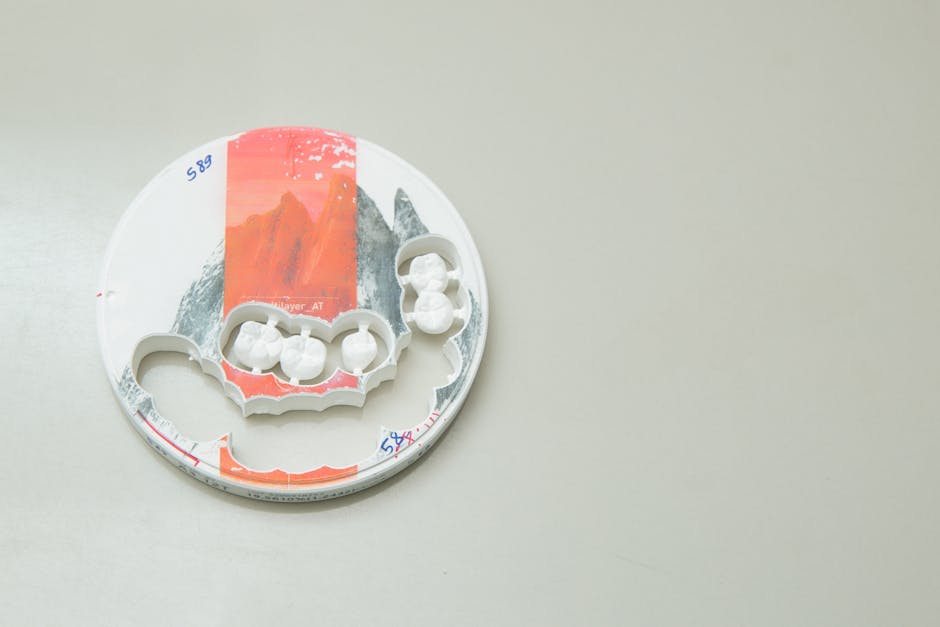
The material chosen for your final full arch prosthetic bridge significantly impacts its durability, aesthetics, and cost. The most common materials include:
- Acrylic Hybrid with Titanium Substructure:
- Composition: This type of bridge features an acrylic denture base with artificial teeth, reinforced by a strong titanium bar or framework on the inside. The titanium provides structural integrity, while the acrylic offers a natural appearance for both teeth and gums.
- Aesthetics: Good, as the acrylic can be customized to match natural gum and tooth shades.
- Durability: Generally durable, with the titanium substructure preventing fractures. However, the acrylic teeth can wear down or chip over time, often needing replacement every 5-10 years.
- Cost: Typically, it is more cost-effective than monolithic zirconia.
- Feel: Lighter weight than zirconia, which some patients prefer.
- Monolithic Zirconia:
- Composition: This is a solid, single block of zirconia, a highly biocompatible and extremely strong ceramic material. It can be milled to create the entire bridge, including the gum portion, and then stained and glazed for a highly aesthetic finish.
- Aesthetics: Excellent, offering a translucent, natural tooth-like appearance. It can be color-matched precisely.
- Durability: Exceptional. Monolithic zirconia boasts a strength of around 1200 MPa, making it highly resistant to chips, cracks, and wear. It is often considered the most durable option, with a potential lifespan of 15-25+ years.
- Cost: Generally, the highest initial investment due to the material cost and the precise milling process.
- Feel: Denser and heavier than acrylic, which some patients may notice initially.
When deciding on materials, your dentist will discuss the pros and cons based on your biting forces, aesthetic goals, and budget. While acrylic hybrids offer a good balance of cost and aesthetics, monolithic zirconia provides superior strength and longevity, often making it a preferred choice for those seeking the most durable and natural-looking restoration. For a broader understanding of dental bridge options, including different materials, you can explore resources on dental bridges.
Average Costs and Financial Considerations
The cost of full arch implant bridges can vary significantly based on several factors, making it challenging to provide a single price. As of June 2026, the average cost of full mouth dental implants in a major metropolitan area like New York City ranges from $7,000 to $90,000, with an average of $34,000. This wide range reflects the complexity and customization involved.
Factors influencing the total cost include:
- Number of Implants: All-on-4, All-on-6, or All-on-8 will have different implant costs.
- Material of the Bridge: Zirconia is generally more expensive than acrylic hybrid.
- Preparatory Procedures: Costs associated with extractions, bone grafting, or sinus lifts will add to the total.
- Geographic Location: Dental fees vary by region and city.
- Dentist’s Expertise and Clinic: Specialists with extensive experience and advanced technology may have higher fees.
- Temporary vs. Permanent Bridge: The cost typically includes both.
Insurance Coverage: Dental insurance coverage for full arch implant bridges can vary. Some plans may cover a portion of the surgical procedure or the prosthetic bridge, while others may offer limited or no coverage. It’s crucial to check with your insurance provider to understand your specific benefits.
Financing Options: Many dental practices offer financing plans or partner with third-party lenders to make full-arch implant bridges more affordable. These options can break down the total cost into manageable monthly payments.
Given the significant investment, a detailed consultation with your dental provider is essential to receive a personalized treatment plan and a clear breakdown of all associated costs. For more information on the financial aspects of comprehensive implant solutions, you can explore resources on the average cost of full dental implants.
Maintenance and Longevity of Pain-Free Full Bridge Dental Implants
Once your full arch implant bridge is in place, proper maintenance is key to ensuring its longevity and protecting your investment. While the implants themselves are designed to last a lifetime, the prosthetic bridge and the surrounding gum tissues require diligent care.
Daily Oral Hygiene:
- Brushing: Brush your bridge twice daily using a soft-bristle toothbrush. Pay close attention to the areas where the bridge meets the gums, as plaque and food debris can accumulate there.
- Flossing/Cleaning: Traditional flossing methods may not be effective for cleaning under the bridge. Your dentist will likely recommend specialized tools such as a water flosser (oral irrigator), interdental brushes, or super floss to clean thoroughly around and under the bridge, removing plaque and preventing peri-implantitis (gum disease around implants).
Professional Care:
- Regular Dental Check-ups: Schedule routine check-ups and professional cleanings every 3-6 months, as recommended by your dentist. These appointments allow your dental team to monitor the health of your implants, gums, and bridge, identify any potential issues early, and perform specialized cleaning that you cannot achieve at home.
- Night Guard: Your dentist might recommend wearing a night guard, especially if you clench or grind your teeth, to protect your bridge from excessive forces and wear.
Longevity: With proper care, the implants themselves have a high success rate. Studies show that dental implants are likely to last at least 25 years with proper care and maintenance in most cases, and many are designed to last a lifetime. Depending on the material, the prosthetic bridge portion may eventually need replacement due to natural wear and tear.
- Implant Survival Rates: The estimated survival of implants in implant-supported fixed partial dentures (FPDs) after 5 years is 95.4%, and after 10 years, it’s 92.8%.
- Bridge Survival Rates: The 5-year survival rate for FPDs supported by implants is 95%, and the 10-year survival rate is 86.7%.
- Patient Satisfaction: High satisfaction levels are reported, with 95% of patients satisfied (74% extremely satisfied) and 98% willing to recommend the treatment.
By committing to excellent oral hygiene and regular professional check-ups, you can ensure your pain-free full bridge dental implants provide a stable, functional, and beautiful smile for many years to come.
Frequently Asked Questions about Full Arch Bridges
Navigating the options for full-arch tooth replacement often raises a series of common questions. We aim to provide clear, concise answers to help you understand if this life-changing treatment is right for you. Understanding the clinical success and patient education surrounding full-arch implant bridges is key to making an informed decision about your oral hygiene and overall health.
Who is a good candidate for a full arch implant bridge?
A good candidate for a full arch implant bridge typically meets several criteria:
- Missing All or Most Teeth: Individuals who have lost all or most of their teeth in an upper or lower arch, or whose remaining teeth are severely damaged or unhealthy and require extraction.
- Good General Health: Candidates should be in good overall health, as successful implant integration relies on the body’s ability to heal. Certain systemic health conditions (e.g., uncontrolled diabetes, severe autoimmune disorders) or medications (e.g., certain bisphosphonates) may affect candidacy, but many can still proceed with careful management.
- Sufficient Jawbone: While bone loss can be addressed with grafting, adequate bone volume and density are ideal for successful implant placement.
- Healthy Gums: Free from active periodontal disease (gum disease). Any existing gum disease must be treated before implant surgery.
- Non-Smokers or Willing to Quit: Smoking significantly impairs healing and increases the risk of implant failure. While not an absolute contraindication, it’s strongly advised to quit or significantly reduce smoking before and after treatment.
- Commitment to Oral Hygiene: Willingness to maintain excellent daily oral hygiene and attend regular dental check-ups is crucial for the long-term success of the implants and bridge.
Your dental specialist will conduct a thorough evaluation, including detailed imaging and health assessments, to determine if you are a suitable candidate.
Can full arch implant bridges be placed on the same day as surgery?
Yes, in many cases, full arch implant bridges can be placed on the same day as surgery. This advanced protocol is often referred to as “same-day teeth” or “immediate loading.”
Here’s how it generally works:
- Eligibility: Candidates for same-day teeth must have good bone quality and density that allows for sufficient “primary stability” of the implants immediately after placement. The implant’s insertion torque measures this stability.
- Procedure: During a single surgical appointment, any remaining unhealthy teeth are extracted, dental implants are placed, and a temporary, custom-made full-arch bridge is immediately attached to the newly placed implants.
- Benefits: Patients leave the office with a functional and aesthetic set of teeth, avoiding the need to wear traditional removable dentures during the healing phase. This significantly improves the quality of life from day one.
- Healing: While you have immediate teeth, the implants are still undergoing osseointegration. A soft food diet is typically recommended for the entire 3-6 month healing period to ensure the implants integrate successfully without undue stress. Once osseointegration is complete, the temporary bridge is replaced with your permanent, highly durable restoration.
This “teeth-in-a-day” approach has revolutionized full arch rehabilitation, offering immediate results for many patients.
How long do full-arch implant bridges last?
The longevity of full arch implant bridges is one of their most significant advantages, offering a long-term solution for tooth replacement.
- Dental Implants: The titanium implants themselves are designed to be a permanent solution. With proper care and maintenance, they can last a lifetime. Studies consistently show high success rates, with dental implants likely to last at least 25 years in most cases. The success rate for dental implants generally remains above 90% even after 15 years.
- Prosthetic Bridge: The bridge portion, which is attached to the implants, is subject to daily wear and tear from chewing. Its lifespan depends on the material chosen (e.g., acrylic hybrid vs. monolithic zirconia), your oral hygiene habits, biting forces, and regular professional maintenance.
- Acrylic Hybrid Bridges: Typically last 5-10 years before potentially needing repair or replacement due to wear, staining, or chipping of the acrylic teeth.
- Monolithic Zirconia Bridges: Known for their exceptional durability, these can last 15-25+ years, and often much longer, with proper care, due to their high resistance to fracture and wear.
Factors Affecting Longevity:
- Oral Hygiene: Consistent daily brushing and cleaning around the bridge and implants are paramount to prevent peri-implantitis, which can jeopardize implant stability.
- Regular Dental Visits: Professional cleanings and check-ups allow your dentist to monitor the health of your implants and bridge, addressing any issues before they become significant.
- Lifestyle Factors: Avoiding habits such as smoking and chewing on ice or hard objects, and managing conditions like bruxism (teeth grinding), can extend the life of your bridge.
- Material Choice: As discussed, zirconia offers superior longevity compared to acrylic.
While the implants themselves are built to last, the bridge component may need to be replaced over time. However, the overall system provides a highly durable and long-lasting solution that far surpasses the lifespan of traditional dentures or even conventional bridges supported by natural teeth.
Conclusion
Full-arch implant bridges represent a pinnacle of modern dental restoration, offering a profound solution for individuals with significant tooth loss. This comprehensive guide has explored the intricacies of this life-changing treatment, from understanding its fundamental workings and comparing it to traditional dentures to delving into specific types such as All-on-4, All-on-6, and All-on-8. We’ve also highlighted the critical role of materials, the detailed step-by-step process, recovery expectations, and the vital aspects of cost and longevity.
The benefits extend far beyond aesthetics, encompassing restored function, enhanced chewing capacity, preservation of jawbone health, and a significant boost in self-confidence. With the ability to provide pain-free procedures and even same-day teeth for eligible candidates, the journey to a renewed smile is more accessible and comfortable than ever before.
If you are considering full arch implant bridges, a thorough consultation with a qualified dental professional is the first and most crucial step. They can assess your unique oral health needs, discuss the best treatment plan for you, and provide a clear understanding of what to expect. Reclaiming your ability to eat, speak, and smile without reservation is within reach. To take the next step towards a transformed smile and improved quality of life, we encourage you to explore dental implant options near you and schedule a consultation. Your journey to restored function and a radiant smile begins now.