
The Evolution of Specialized Healthcare and Wellness

The landscape of health and wellness is evolving rapidly. In April 2026, we are witnessing a profound shift from merely treating illness to proactively optimizing our well-being and extending our ‘healthspan.’ This new era emphasizes personalized, in-depth care tailored to each individual’s unique needs.
This article will explore the exciting advancements in specialized healthcare and wellness. We will delve into how specialized care differs from traditional primary care and why coordinated efforts between providers are crucial. From understanding common specialty areas—such as cardiology, oncology, and even specialized urology care—to integrating wellness and longevity programs, we will uncover how these comprehensive approaches benefit patients. We’ll also examine the powerful roles of functional medicine, advanced diagnostics, and cutting-edge technologies like AI in shaping our future health. Finally, we will look at innovative access models and how to choose the right path for your health journey.
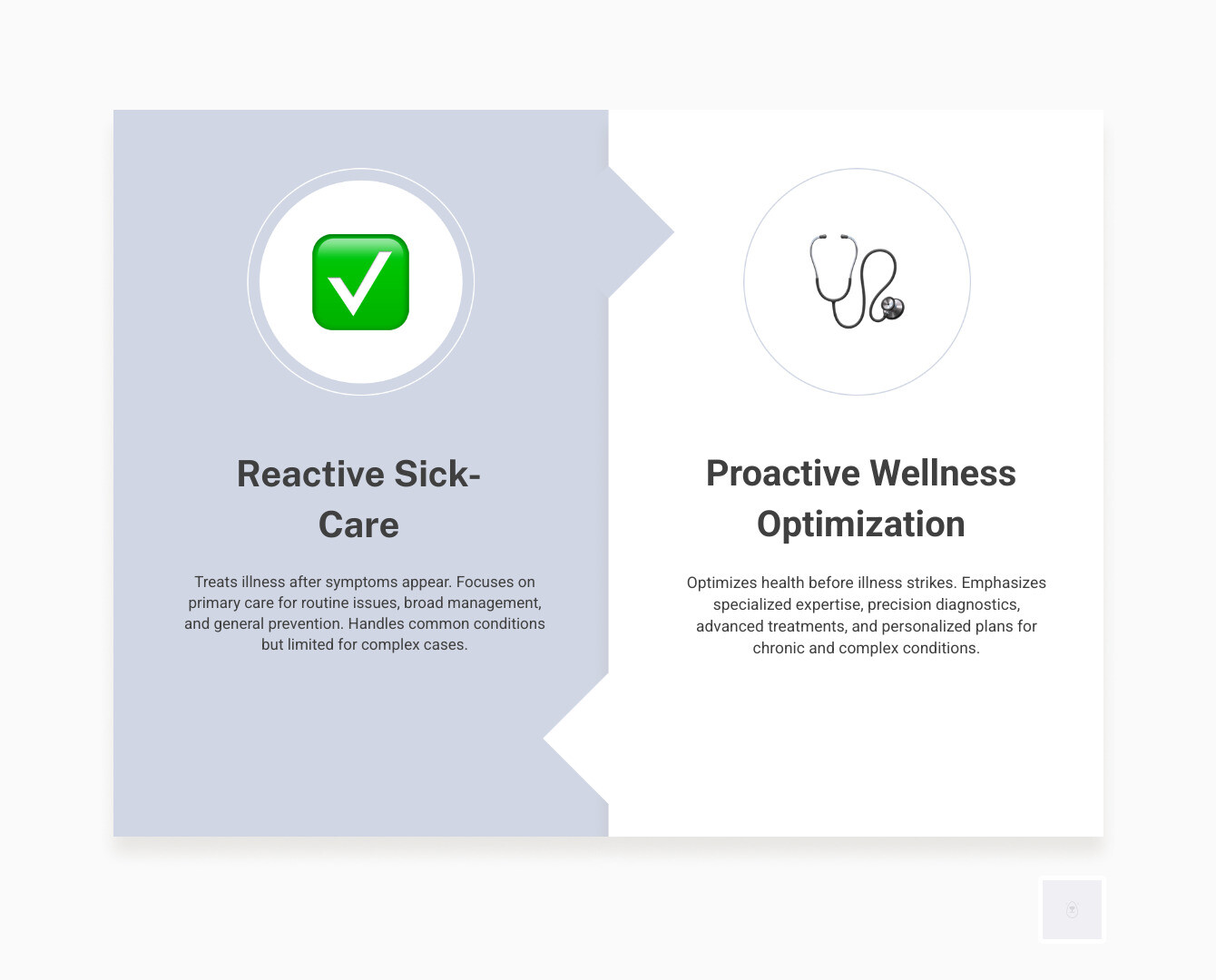
The journey from reactive “sick-care” to proactive wellness optimization marks a significant evolution in how we approach health. Historically, healthcare has been largely centered around primary care, which serves as the first point of contact for routine check-ups, common illnesses, and general health concerns. Primary care providers (PCPs) are invaluable for their broad knowledge and ability to manage a wide array of conditions. However, when health issues become complex, chronic, or require highly specific expertise, specialized healthcare steps in.
Specialized healthcare, by its very definition, involves health services focused on a particular area of medicine or specific types of symptoms and conditions. These services are delivered by specialists—doctors, nurses, and allied health professionals—who possess deep, focused knowledge and advanced training in their respective fields. For instance, while a PCP might manage early signs of heart disease, a cardiologist would provide specialized care for complex cardiac conditions. Similarly, an oncologist focuses exclusively on cancer treatment, and a pulmonologist addresses intricate respiratory issues.
The distinction between primary and specialized care is not merely about the depth of expertise; it’s also about the approach. Primary care often focuses on general health maintenance and prevention across a broad spectrum. In contrast, specialized care focuses on diagnostic precision, advanced treatment protocols, and disease management within a narrow scope.
One of the most critical aspects of this evolving landscape is care coordination. With 60% of U.S. adults currently living with at least one chronic condition as of April 2026, the need for seamless integration between primary care providers and specialists has never been more pressing. Effective care coordination ensures that all aspects of a patient’s health—including social needs and lifestyle factors—are considered, leading to integrated treatment plans and significantly better outcomes. Without it, patients can face fragmented care, redundant testing, conflicting advice, and delays in receiving appropriate treatment. Interdisciplinary teams, often led by a PCP but heavily involving specialists, work collaboratively to manage complex cases, ensuring a holistic view of the patient’s well-being. This coordinated effort is vital for conditions that require ongoing, multifaceted management, such as diabetes, heart disease, or autoimmune disorders.
This shift also highlights the growing importance of precision medicine and value-based care models. Precision medicine tailors treatment to an individual’s unique genetic makeup, environment, and lifestyle, moving beyond a “one-size-fits-all” approach. Value-based care models, encouraged by initiatives such as those from the CMS Innovation Center, aim to reward healthcare providers for the quality of care they deliver rather than the volume of services. This encourages better coordination and more effective, patient-centered outcomes. Patient navigation systems are also emerging as crucial tools, helping individuals navigate the complexities of the healthcare system, from scheduling appointments with multiple specialists to understanding insurance coverage and accessing support services.
Personalized Approaches in Specialized Healthcare and Wellness
The core of modern specialized healthcare and wellness lies in its commitment to personalization. We recognize that each individual’s health journey is unique, and therefore, their treatment plan should be too. This means moving beyond standard protocols to create customized treatment plans that address not just symptoms, but the whole person.
Consider the journey of a patient with a complex or chronic condition. It often takes an average of seven years to receive a correct diagnosis for many common conditions, a statistic that underscores the need for more precise and personalized approaches. Specialized care aims to shorten this diagnostic odyssey by leveraging advanced tools and expert knowledge.
Patient-centered medical homes (PCMHs) exemplify this personalized approach. While often associated with primary care, these principles extend to specialized settings, ensuring that care is coordinated, comprehensive, and patient-centered. This model fosters long-term relationships between patients and their care teams, leading to a deeper understanding of individual needs and better health management.
Targeted therapies are becoming increasingly prevalent in specialized fields. In oncology, for example, tumor genetic testing enables specialists to identify specific mutations, leading to treatments that are precisely designed to attack cancer cells while minimizing harm to healthy tissue. Similarly, in cardiology, advanced diagnostics help pinpoint the exact nature of heart conditions, enabling tailored interventions. Pulmonology benefits from personalized respiratory therapies based on a patient’s specific lung function and underlying conditions.
For those seeking to optimize their overall health and well-being beyond just addressing illness, personalized approaches include lifestyle medicine and aesthetic enhancements. For instance, Waltzman specialized health and wellness provides services that integrate medical expertise with aesthetic goals, understanding that physical appearance can significantly impact mental and emotional well-being. This holistic view acknowledges that true wellness encompasses both internal health and external confidence, crafting solutions that are as unique as the individuals they serve.
The Role of AI in Specialized Healthcare and Wellness

The integration of Artificial Intelligence (AI) is rapidly transforming specialized healthcare and wellness, ushering in an era of unprecedented precision and efficiency. In April 2026, AI is no longer a futuristic concept but a practical tool enhancing every aspect of patient care, from diagnostics to long-term health management.
AI’s ability to process vast amounts of data at speeds beyond human capacity makes it invaluable for predictive analytics. By analyzing patient histories, genetic information, lifestyle data, and real-time biometric readings, AI algorithms can identify patterns and predict health risks long before symptoms manifest. This proactive capability is particularly crucial in specialized fields where early detection can dramatically improve outcomes. For example, AI can analyze imaging scans with incredible accuracy to detect subtle signs of disease, such as early-stage tumors or neurological abnormalities, often surpassing human capabilities in consistency and speed.
Real-time biofeedback loops, powered by AI, are revolutionizing how we monitor and manage health. Wearable devices and smart sensors collect continuous data on everything from heart rate variability and sleep patterns to glucose levels and activity metrics. AI then interprets this data, providing immediate, actionable insights to both patients and their care teams. This allows for dynamic adjustments to treatment plans, medication dosages, or lifestyle interventions, ensuring that care is always optimized and responsive to the body’s changing needs.
For those focused on longevity and healthspan extension, AI is creating personalized “longevity roadmaps.” These roadmaps integrate an individual’s unique biological data, genetic predispositions, and health goals to recommend tailored interventions, from nutritional plans and exercise regimens to specific supplements or preventive screenings. This data-powered precision helps individuals make informed decisions that can significantly impact their long-term health trajectory.
Molecular diagnostics, a cornerstone of specialized care, are also being supercharged by AI. AI can analyze complex genomic and proteomic data to identify specific biomarkers associated with disease risk, progression, or treatment response. This allows for highly targeted therapies and truly personalized medicine, moving us further away from generalized treatments toward interventions precisely matched to an individual’s biological profile. The overarching goal is early disease detection and intervention, shifting the paradigm from managing illness to maintaining optimal health throughout life.
Integrating Functional Medicine and Root-Cause Analysis
Functional medicine represents a paradigm shift in specialized healthcare, moving beyond symptom management to identify and address the underlying causes of disease. This whole-body approach recognizes that symptoms are often signals of deeper imbalances within the body’s interconnected systems. In April 2026, functional medicine clinics are gaining significant traction for their ability to tackle complex, chronic conditions that traditional medicine may struggle to resolve.
At the heart of functional medicine is a comprehensive whole-body assessment. Rather than simply treating a headache, a functional medicine practitioner will explore all potential contributing factors: diet, stress levels, sleep quality, environmental exposures, gut health, hormonal balance, and genetic predispositions. This in-depth investigation helps uncover the root causes of chronic conditions.
Advanced lab testing plays a crucial role in this process. Unlike standard blood tests that might only flag overt disease, functional labs delve deeper, looking for subtle imbalances in areas like hormone health, nutrient deficiencies, food sensitivities, and gut microbiome composition. For example, understanding the intricate relationship of the gut-brain axis is vital, as research increasingly links gut health to mood, cognitive function, and systemic inflammation. With 15% of the population experiencing daily GI distress, and many chronic conditions having a gut health component, this focus is particularly impactful.
The effectiveness of this approach is compelling. Data from functional medicine practices show remarkable outcomes: 89% of members experience symptom improvement or elimination within 1 year. This success rate highlights the power of addressing the root cause rather than just alleviating symptoms.
Functional medicine clinics excel at managing a wide range of conditions, including metabolic health disorders, autoimmune inflammation, and environmental exposure and detoxification issues. By understanding how systems such as hormones, gut health, metabolism, and inflammation interact, practitioners can create highly personalized, long-term care plans. This often involves dietary changes, targeted supplementation, stress management techniques, and lifestyle modifications, all designed to restore balance and promote the body’s innate healing capabilities. This holistic perspective ensures that patients achieve lasting wellness, not just temporary relief.
Technological Advancements in Diagnostics and Monitoring: Remarkable technological advancements in diagnostics and monitoring continuously push the frontier of specialized healthcare and wellness. These innovations are enabling us to gain an unprecedented understanding of our bodies, facilitating earlier detection, more precise interventions, and truly personalized health management.
One such breakthrough is pharmacogenetics (PGx) testing. This advanced diagnostic analyzes how an individual’s genes affect their response to medications. By understanding a person’s unique genetic profile, healthcare providers can predict how they will metabolize and respond to certain drugs, allowing them to select the most effective medication at the optimal dose, minimize adverse side effects, and improve treatment efficacy. This is particularly valuable in specialties like psychiatry, cardiology, and pain management.
Remote patient monitoring (RPM) has also become a cornerstone of modern specialized wellness care. Through wearable devices, smart sensors, and connected health platforms, patients can continuously track vital signs, activity levels, sleep patterns, and other health metrics from the comfort of their homes. This real-time data allows specialists to monitor chronic conditions, detect early warning signs of complications, and make timely adjustments to care plans, significantly reducing the need for frequent in-person visits and empowering patients to take a more active role in their health management.
Advanced biomarker testing is another area seeing rapid expansion. Clinics like Cenegenics, for example, measure over 270 biomarkers to establish a comprehensive baseline of an individual’s physiological health. This extensive data enables a deep understanding of biological age versus chronological age, identifying areas where interventions can slow or even reverse aspects of the aging process. These biomarkers can include everything from inflammatory markers and hormone levels to cellular health indicators and metabolic profiles.
Beyond blood tests, other sophisticated diagnostics are becoming standard in specialized wellness programs. VO2 Max testing, for instance, precisely measures cardiovascular fitness and metabolic efficiency, providing critical data for optimizing exercise regimens. DEXA scans offer detailed body composition analysis, distinguishing between fat mass, lean muscle mass, and bone density, which is essential for personalized nutrition and fitness plans. These tools, combined with expert analysis, provide a comprehensive picture of health that goes far beyond what traditional physical exams can offer. For those seeking to recover and optimize their physical capabilities, services that integrate these advanced diagnostics are invaluable, offering a truly data-driven path to enhanced well-being and performance. A prime example of such comprehensive offerings can be found at specialized health and wellness, where cutting-edge technology meets personalized care.
Modern Access Models: Concierge and Multi-Specialty Centers
The way we access specialized healthcare and wellness is undergoing a significant transformation, with new models emerging to offer enhanced convenience, personalization, and comprehensive care. In April 2026, concierge and membership-based medicine, alongside multi-specialty centers, are redefining the patient experience.
Membership-based medicine, also known as concierge medicine, provides patients with a more direct, personalized relationship with their healthcare providers. For an annual or monthly fee, members typically receive extended appointment times, 24/7 access to their care team, same-day or next-day appointments, and a greater emphasis on preventive care and wellness coaching. This model allows practitioners to manage a smaller patient panel, fostering deeper relationships and more proactive health management. Companies like Signature Health offer a “private wellness & longevity experience,” blending medicine, recovery, performance, aesthetics, and hospitality into a single, concierge-led “medical home.” This approach emphasizes making health feel “whole” through long-term physician relationships and a focus on prevention over reactive sick visits.
Concierge hospitality extends beyond just medical access, often including white-glove service such as elite member lounges, home visits, and dedicated health navigators who streamline the entire healthcare journey. This level of service is designed to eliminate the common frustrations of traditional healthcare, offering a calm, intentional, and patient-centered experience.
Parallel to this, multi-specialty centers are emerging as one-stop wellness hubs. These centers integrate a wide array of primary and specialized services under one roof, offering unparalleled convenience and coordinated care. For example, the Baystate Health & Wellness Center in Longmeadow combines primary care, walk-in convenient care, radiology, rehabilitation, and numerous specialty practices like cardiology, endocrinology, gastroenterology, and urogynecology. This consolidation of services simplifies the patient experience, enabling seamless transitions between care types and fostering better communication among providers.
These integrated centers often incorporate urgent care integration, providing immediate attention for minor illnesses and injuries without the need for an emergency room visit. They also frequently offer a range of physical medicine and regenerative therapies, including physical therapy, occupational therapy, and advanced modalities such as hyperbaric oxygen therapy and cryotherapy, which are increasingly sought for recovery, performance enhancement, and overall well-being. This comprehensive approach ensures that patients can access a full spectrum of services, from routine check-ups to highly specialized treatments and advanced wellness interventions, all within a single, cohesive environment.
Frequently Asked Questions about Specialized Care
How does specialized healthcare differ from standard primary care?
Specialized healthcare differs from standard primary care primarily in its depth of focus and expertise. While primary care provides broad, general medical services, acting as the first point of contact for routine health needs, specialized care zeroes in on specific body systems, diseases, or conditions. Specialists possess advanced training and knowledge in their field, enabling them to offer symptom-specific expertise, utilize advanced diagnostic tools, and implement targeted treatment protocols beyond the scope of general practice. For example, a primary care physician might manage common infections, but a nephrologist would treat complex kidney diseases, or an endocrinologist would handle intricate hormonal imbalances.
Why is care coordination essential between different providers?
Care coordination between providers is essential because it ensures an integrated, holistic approach to patient care, especially for individuals with complex or chronic conditions. Without effective coordination, patients can experience fragmented care, leading to potential medication interactions, redundant diagnostic tests, conflicting advice from various specialists, and delays in treatment. When primary care providers and specialists communicate effectively, they can develop comprehensive, integrated treatment plans that consider all aspects of a patient’s health, including their social and lifestyle factors. This collaborative effort streamlines the patient experience, minimizes errors, and ultimately leads to better health outcomes and overall well-being.
How do longevity programs integrate with traditional medical treatments?
Longevity programs integrate with traditional medical treatments by providing a proactive, preventive focus aimed at optimizing healthspan—the period of life spent in good health—rather than just lifespan. While traditional medicine often focuses on diagnosing and treating existing diseases, longevity programs emphasize early detection of risk factors, biomarker tracking, and personalized lifestyle interventions (nutrition, exercise, stress management) to prevent disease before it starts. They often use advanced diagnostics, such as those that measure biological age or genetic predispositions, to inform highly individualized plans. These programs work in synergy with traditional clinical interventions; for instance, a longevity program might recommend specific dietary changes and supplements to improve cardiovascular markers, complementing a cardiologist’s prescribed medications for heart health. The goal is to create a comprehensive health strategy that not only addresses current medical needs but also actively extends the duration and quality of healthy living.
Conclusion
As we look to the future of medicine in April 2026, it is clear that specialized healthcare and wellness are at the forefront of innovation. The shift towards personalized health journeys, driven by an integration of advanced technology, functional medicine, and patient-centered care models, promises a future where health is not just the absence of disease, but a state of optimal vitality and extended healthspan.
We have explored how specialized care, distinct from primary care, offers deep expertise for complex conditions, and why robust care coordination is paramount for integrated treatment. From the targeted therapies in oncology and cardiology to the holistic, root-cause approach of functional medicine, the emphasis is increasingly on understanding and treating the individual. Advanced diagnostics, including pharmacogenetics, extensive biomarker testing, and AI-driven monitoring, are providing unprecedented insights into our biological makeup, enabling truly precision health.
Furthermore, innovative access models such as concierge care and multi-specialty centers are making advanced care more accessible and convenient, transforming the patient experience. The trends in precision medicine and preventive care are not just buzzwords; they are shaping a healthcare system that is proactive, predictive, personalized, and participatory.
The goal is to empower individuals to achieve sustainable wellness outcomes, living longer, healthier, and more fulfilling lives. By embracing these advancements and choosing providers and programs that align with a comprehensive, personalized approach, we can all navigate the evolving landscape of health with confidence and optimism.