
Understanding Pain: Acute vs. Chronic Mechanisms

To truly master pain management, we must first understand the fundamental differences in how pain manifests and persists. Pain isn’t a monolithic experience; it’s broadly categorized into acute and chronic forms, each demanding a distinct approach to treatment and wellness.
Acute pain is typically a sudden, sharp sensation that serves as a warning signal from the body, indicating immediate tissue damage or injury. It’s often temporary, lasting for a few days or weeks, and usually resolves once the underlying cause heals. Think of a sprained ankle or a cut finger – the pain is a direct response to the injury and subsides as recovery progresses.
In contrast, chronic pain is defined as pain that persists for longer than three months, often well beyond the expected healing time for an injury or illness. Unlike acute pain, chronic pain often loses its protective function and becomes a condition in itself. It can arise from an initial injury, but it can also develop without a clear cause, impacting daily life, mood, and overall function.
The mechanisms underlying chronic pain are far more complex than those of acute pain. This complexity often involves changes in the nervous system itself, leading to phenomena like:
- Central sensitization: A state where the central nervous system (brain and spinal cord) becomes overactive and hypersensitive to pain signals, even from minor stimuli.
- Peripheral sensitization: Changes at the site of injury or inflammation that make nerve endings more responsive to painful stimuli.
- Pain phenotyping: Classifying pain based on its underlying mechanisms (e.g., neuropathic, nociplastic) rather than just its location, which allows for more targeted treatments.
Chronic pain can be further categorized by its type:
- Somatic pain: Originates from the skin, muscles, joints, bones, and ligaments. It’s often described as aching, throbbing, or dull.
- Visceral pain: Arises from internal organs and is often perceived as a deep, squeezing, or generalized ache.
- Neuropathic pain: Caused by damage or dysfunction of the nervous system itself, resulting in burning, tingling, shooting, or electric-shock sensations.
- Nociplastic pain: Also known as centralized pain, it occurs when there’s no clear evidence of actual or threatened tissue damage causing the pain, but there’s altered nociceptive processing in the central nervous system. Fibromyalgia is a classic example.
Common Pathologies and Pain Phenotypes
Understanding these pain types helps us address the root causes of chronic discomfort. We frequently encounter chronic pain stemming from various conditions:
- Degenerative disc disease: A common cause of back and neck pain as spinal discs wear down.
- Osteoarthritis: The “wear and tear” arthritis, affecting joints and causing stiffness and pain.
- Post-surgical pain: Pain that persists or develops after a surgical procedure, often due to nerve damage or prolonged inflammation.
- Post-traumatic neuralgia: Nerve pain that develops after an injury, such as whiplash or a fracture.
- Sciatica: Neuropathic pain radiating along the sciatic nerve, typically from the lower back down the leg.
- Fibromyalgia: A widespread nociplastic pain condition characterized by chronic widespread pain, fatigue, sleep problems, and mood disturbances.
Accurate diagnosis is paramount. Tools like the DN4 questionnaire are often used to help identify neuropathic pain features, guiding us toward the most effective non-opioid interventions. By precisely identifying the type and mechanisms of pain, we can tailor treatment plans that move beyond simple symptom suppression to address the underlying issues, fostering long-term relief and improved function.
The Multidisciplinary Paradigm of Pain Management Wellness

Addressing chronic pain effectively requires a comprehensive, holistic strategy that acknowledges its multifaceted nature. This is where the multidisciplinary paradigm of pain management wellness truly shines. It’s an approach that integrates various medical, physical, and psychological therapies, moving beyond single-modality treatments to create a synergistic effect. Patients receiving multidisciplinary pain management programs have shown 30-50% greater improvement in pain and function compared to those undergoing single-modality treatments.
This integrative approach to pain therapy recognizes that pain is not just a physical sensation but also has profound emotional, social, and psychological dimensions. Our goal is to treat the whole person, not just the pain symptoms. This often involves a collaborative team including:
- Physical therapy: Essential for restoring movement, strength, and flexibility, and correcting biomechanical imbalances.
- Behavioral health specialists: Psychologists and counselors who help patients develop coping strategies, manage stress, and address the emotional impact of chronic pain.
- Acupuncture: An ancient practice that can help stimulate the body’s natural pain-relieving mechanisms.
- Chiropractic care: Many individuals find significant relief and improved function through Chiropractic pain management wellness, which focuses on spinal alignment and nervous system health as part of a broader treatment plan.
This patient-centered care model emphasizes shared decision-making, where the patient’s values and goals are at the forefront of the treatment plan.
Personalized Care Plans by Board-Certified Specialists
Developing an effective pain management strategy begins with a thorough evaluation by board-certified pain specialists. These experts often come from diverse backgrounds, including:
- Anesthesiologists: With specialized training in pain medicine, they bring expertise in interventional procedures and medication management.
- Physiatrists: Also known as physical medicine and rehabilitation physicians, they focus on restoring function and quality of life for people with musculoskeletal and neurological conditions.
- Nurse practitioners: Highly skilled healthcare providers who play a crucial role in patient assessment, education, and ongoing management, often serving as primary points of contact in a pain management team.
During diagnostic evaluations, these specialists conduct a comprehensive review of medical history, physical examination, and often utilize advanced imaging to pinpoint the source and nature of pain. This detailed assessment allows them to develop truly individualized goals for each patient, focusing on functional restoration – helping individuals regain the ability to perform daily activities, return to work, and engage in hobbies they enjoy.
Strategies for Opioid Reduction and Avoidance
A significant shift in modern pain management is the concerted effort towards opioid reduction and avoidance. Opioid prescriptions for chronic pain have seen a substantial decline of over 40% since 2012 peaks, reflecting a growing understanding of their risks and limitations. This is particularly crucial given that up to 10% of opioid-naïve patients develop persistent opioid use after major surgery or trauma, highlighting the importance of non-opioid strategies even in acute settings.
Our approach prioritizes multi-modal pharmacology, combining various non-opioid drug classes (such as NSAIDs, nerve pain medications, and antidepressants with pain-relieving properties) to achieve effective pain control without the risks associated with opioids. We also utilize tools like the Opioid Risk Tool to identify patients who may be at higher risk for developing opioid dependence. For those already on opioids, we work diligently to implement safe and gradual exit strategies, transitioning them to more sustainable, less risky forms of pain management. This commitment ensures effective pain control while safeguarding patient well-being.
Advanced Interventional and Regenerative Therapies
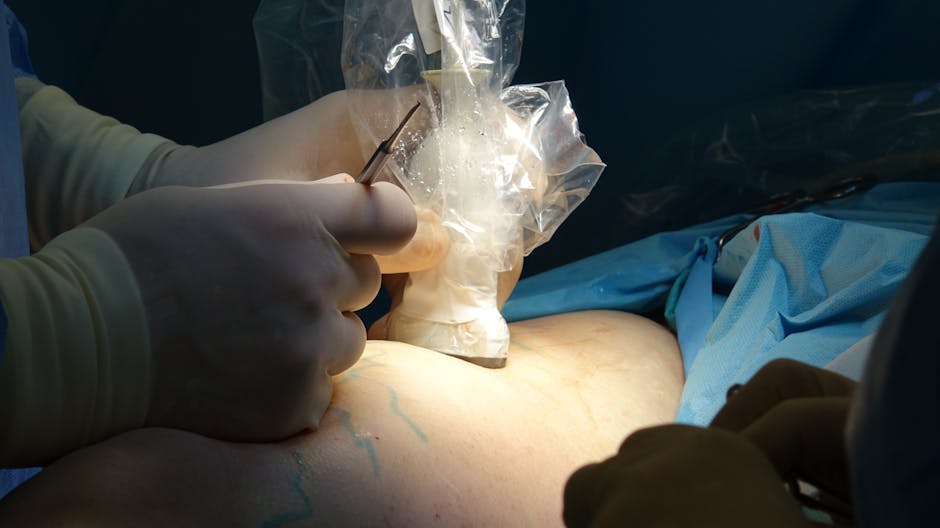
When conservative treatments aren’t enough, advanced interventional and regenerative therapies offer targeted relief and promote healing. These minimally invasive techniques are designed to pinpoint the source of pain and deliver treatment directly, often providing significant relief where generalized medications fall short. Interventional pain procedures such as epidural steroid injections and nerve blocks provide significant relief for 50-70% of patients with radicular or facet-mediated pain, often reducing or eliminating the need for long-term opioids.
These procedures are a cornerstone of modern pain management, offering powerful alternatives or complements to traditional care.
Procedure Type Description Primary Benefit Common Conditions Treated Interventional Procedures Epidural Steroid Injections Anti-inflammatory medication injected into the epidural space around the spinal cord. Reduces inflammation and pain from compressed nerves. Sciatica, herniated discs, spinal stenosis. Nerve Blocks Anesthetic or anti-inflammatory medication injected near specific nerves. Blocks pain signals from a particular nerve or nerve group. Neuropathic pain, facet joint pain, occipital neuralgia. Radiofrequency Ablation Uses heat generated by radio waves to destroy nerve fibers transmitting pain signals. Provides longer-lasting pain relief by interrupting nerve function. Chronic facet joint pain, sacroiliac joint pain. Spinal Cord Stimulators Small device implanted under the skin sends mild electrical pulses to the spinal cord. Modulates pain signals before they reach the brain, replacing pain with a tingling. Failed back surgery syndrome, complex regional pain syndrome. Regenerative Therapies Platelet-Rich Plasma (PRP) Concentrated platelets from the patient’s own blood injected into injured tissue. Delivers growth factors to promote natural tissue repair and reduce inflammation. Osteoarthritis, tendon injuries, ligament damage. MLS Laser Therapy Uses specific wavelengths of light to penetrate tissue and stimulate cellular repair processes. Reduces pain and inflammation, accelerates healing at the cellular level. Arthritis, muscle strains, nerve pain. Minimally Invasive Procedures and Neuromodulation
- Epidural steroid injections: These deliver potent anti-inflammatory medication directly to the epidural space in the spine, reducing inflammation around compressed nerves that cause back, neck, and radiating limb pain.
- Facet joint nerve blocks: Targeting the small joints in the spine, these injections can diagnose and treat pain originating from these joints, often followed by radiofrequency ablation for more prolonged relief. Radiofrequency ablation uses heat to disable the nerves transmitting pain signals from these joints.
- Spinal cord stimulators (SCS): For patients with chronic, intractable pain that hasn’t responded to other treatments, SCS can be a game-changer. A small device implanted under the skin sends mild electrical pulses to the spinal cord, changing how pain signals are perceived by the brain. Benefits include significant pain reduction and improved quality of life, though limitations include potential hardware issues and the need for a trial period.
Regenerative Medicine and MLS Laser Therapy
Regenerative medicine, particularly Platelet-Rich Plasma (PRP), harnesses the body’s own healing capabilities. PRP involves concentrating platelets from a patient’s blood and injecting them into damaged tissues. These platelets release powerful growth factors that stimulate natural tissue repair, reduce inflammation, and can rebuild damaged cartilage, tendons, or ligaments. It offers a promising avenue for long-term healing rather than just symptom masking.
MLS laser therapy (Multiwave Locked System) is another advanced, non-invasive option. It uses specific wavelengths of light to penetrate deep into tissues, stimulating cellular healing, reducing inflammation, and alleviating pain. It’s a non-surgical alternative that can be particularly effective for conditions like arthritis, muscle strains, and nerve pain, promoting recovery at a cellular level without medication or injections.
These therapies, when integrated into a comprehensive plan, provide powerful tools for pain relief and functional improvement, often allowing patients to avoid more invasive surgeries or reliance on long-term medications.
Lifestyle Medicine: Supporting Wellness at Home
While advanced medical interventions are crucial, true pain management wellness extends far beyond the clinic. Lifestyle medicine empowers patients to take an active role in their healing journey by focusing on evidence-based, whole-person prescriptive changes. This approach is built upon six pillars of lifestyle medicine: nutrition, exercise, stress management, sleep health, avoidance of risky substances, and positive social connections. These self-care strategies are vital for reducing pain, improving overall health, and fostering patient empowerment.
A key concept in managing chronic pain through lifestyle is behavioral pacing. This involves carefully balancing activity and rest to avoid overexertion, which can exacerbate pain, while still maintaining an active lifestyle. It’s about listening to your body and gradually increasing activity levels without triggering a pain flare-up.
Integrating Nutrition and Exercise into Pain Management Wellness
What we eat profoundly impacts our body’s inflammatory response, which is often a significant contributor to chronic pain. An anti-inflammatory diet, rich in whole foods, fruits, vegetables, lean proteins, and healthy fats, can significantly reduce systemic inflammation. Focusing on Pain wellness foods such as leafy greens, berries, fatty fish, and nuts can help calm the body’s inflammatory pathways.
Physical activity is another cornerstone. Major clinical guidelines recommend physical therapy and exercise-based programs as first-line non-opioid treatments for chronic low back pain, reducing disability by 20-40%. For adults, general physical activity guidelines suggest at least 150 minutes of moderate-intensity exercise or 75 minutes of vigorous activity weekly. This doesn’t mean high-impact workouts; it can involve graded exercise such as walking, swimming, or gentle yoga. Many pain management programs incorporate access to a physical therapy gym to guide patients safely through tailored exercise routines.
The Role of Sleep and Stress in Pain Management Wellness
Chronic pain and poor sleep often create a vicious cycle. Pain disrupts sleep, and lack of sleep can intensify pain perception. Prioritizing sleep hygiene – consistent sleep schedules, a comfortable sleep environment, and avoiding stimulants before bed – is critical. Aiming for at least 7 hours of uninterrupted sleep is a powerful analgesic. Cognitive Behavioral Therapy for Insomnia (CBT-I) is an evidence-based approach that helps address the thoughts and behaviors that interfere with sleep, proving highly effective for chronic pain patients.
Stress is another major contributor to pain. Chronic stress elevates cortisol levels and can amplify pain signals. Effective stress management techniques are therefore essential. Mindfulness, meditation, deep breathing exercises, and guided imagery can reduce chronic pain intensity by an average of 30% and improve quality of life in conditions like fibromyalgia and back pain. These practices help calm the nervous system, reduce cortisol reduction, and change the brain’s response to pain, fostering a greater sense of well-being.
Navigating Your Clinical Journey: Consultations and Access
Embarking on a journey toward pain management wellness can feel daunting, but understanding the process and available resources can make it much smoother. Effective healthcare navigation and access to reliable patient resources are key to successful outcomes. Our commitment is to provide collaborative care, ensuring you feel supported every step of the way.
What to Expect During Your First Consultation
Your first pain management consultation is a crucial step. It’s an opportunity for us to understand your unique pain experience and for you to learn about potential pathways to relief. You should expect:
- Comprehensive assessment: We will delve into your medical history, including past injuries, surgeries, medications, and any previous pain treatments.
- Detailed symptom review: We’ll ask about the location, intensity, duration, and character of your pain, as well as factors that worsen or alleviate it.
- Physical examination: To assess your range of motion, muscle strength, neurological function, and identify any tender points or structural issues.
- Review of diagnostic imaging: We’ll examine any X-rays, MRIs, or CT scans you’ve had, and may recommend further imaging if needed.
- Goal-setting: Together, we’ll establish realistic and measurable goals for your treatment, focusing on pain reduction, functional improvement, and quality of life.
- Discussion of treatment options: We’ll present a tailored plan that may include interventional procedures, physical therapy, medication, and lifestyle modifications.
- Follow-up schedules: We’ll outline the proposed frequency and nature of follow-up appointments to monitor your progress and adjust your plan as needed.
This initial consultation is designed to create a personalized roadmap for your recovery.
Insurance, Billing, and Healthcare Access
Understanding the financial and logistical aspects of pain management care is vital. We strive to be transparent about insurance verification and what to expect regarding coverage. Many clinics accept a wide range of PPO plans, and it’s always advisable to confirm your specific benefits prior to your visit.
For certain treatments, particularly advanced devices, Medicare coverage can be a significant factor. For instance, some virtual reality therapies for pain management are classified as Durable Medical Equipment (DME) and may be covered under Medicare Part B. However, coverage for regenerative therapies like PRP can vary widely and may not always be fully covered by all insurance plans. We will help you understand potential out-of-pocket costs and explore available payment options.
The rise of telehealth options has also significantly improved healthcare access, allowing patients to consult with specialists from the comfort of their homes, reducing travel time and barriers to care. We believe that clear communication about these practical considerations is just as important as the clinical care itself.
Frequently Asked Questions
How does chronic pain affect mental health?
The relationship between chronic pain and mental health is deeply intertwined, forming a complex biopsychosocial connection. Living with persistent pain can lead to significant emotional distress, often manifesting as anxiety, depression, and increased stress levels. Conversely, mental health conditions can lower pain thresholds and worsen the perception of pain.
Effective pain management wellness therefore integrates mental health support. Cognitive Behavioral Therapy (CBT) is highly effective in helping patients reframe their thoughts about pain, develop coping mechanisms, and reduce the emotional impact of chronic discomfort. Techniques for stress reduction, such as mindfulness and meditation, also play a crucial role in improving mood and overall well-being, breaking the vicious cycle between pain and psychological distress.
Are non-opioid treatments covered by insurance?
The coverage for non-opioid treatments can vary significantly depending on your insurance provider, plan type, and the specific treatment. Many widely accepted non-opioid therapies are typically covered:
- Interventional procedures: Such as epidural steroid injections, nerve blocks, and radiofrequency ablations, are often covered by most insurance plans, including Medicare, when medically necessary.
- Physical therapy: Is almost universally covered, though there may be limits on the number of sessions or require prior authorization.
- Regenerative medicine limitations: Treatments like PRP may have more variable coverage. While some insurance plans are beginning to cover them, many still consider them experimental or investigational, leading to higher out-of-pocket costs.
- Medicare DME: As mentioned, certain Durable Medical Equipment (DME), including some advanced pain management devices, may be covered by Medicare.
It’s always recommended to verify your specific benefits directly with your insurance company and our billing team before beginning any new treatment.
How long does it take to see results from integrative therapies?
The timeline for seeing results from integrative therapies is highly individual and depends on several factors, including the type of pain, its duration, the specific treatments employed, and your adherence to the treatment plan.
- Short-term injection relief: For interventional procedures like epidural injections or nerve blocks, patients may experience significant pain relief within days to a few weeks. The duration of relief can vary from weeks to many months.
- Long-term lifestyle benefits: Lifestyle modifications, such as dietary changes, exercise, and stress management, often yield more gradual but cumulative effects. Patients might notice subtle improvements in energy, mood, and pain levels over several weeks to months, with benefits growing over time with consistent practice.
- Cumulative effects: Multidisciplinary programs, combining various therapies, aim for sustained improvement. While initial relief might be felt relatively quickly, the full benefits of functional restoration and improved quality of life often become apparent over several months of dedicated engagement. The goal is not just quick fixes, but lasting change.
Conclusion
We’ve explored the intricate landscape of pain management wellness, moving from a foundational understanding of acute versus chronic pain to the advanced, multidisciplinary strategies that define modern care. From the precision of interventional procedures and the promise of regenerative therapies to the empowering impact of lifestyle medicine, our journey has highlighted the myriad ways we can approach pain not just as a symptom, but as a complex condition requiring comprehensive, personalized attention.
Our commitment is to help you reclaim your quality of life. By embracing a holistic perspective that integrates medical expertise with personal wellness, we empower individuals to become active participants in their healing. The future of pain management is bright, characterized by innovation, compassion, and a deep understanding that true relief comes from treating the whole person. If you or a loved one are struggling with chronic pain, hope and effective solutions are within reach.