
The Role of Specialty Medical Supplies in Diabetes Management
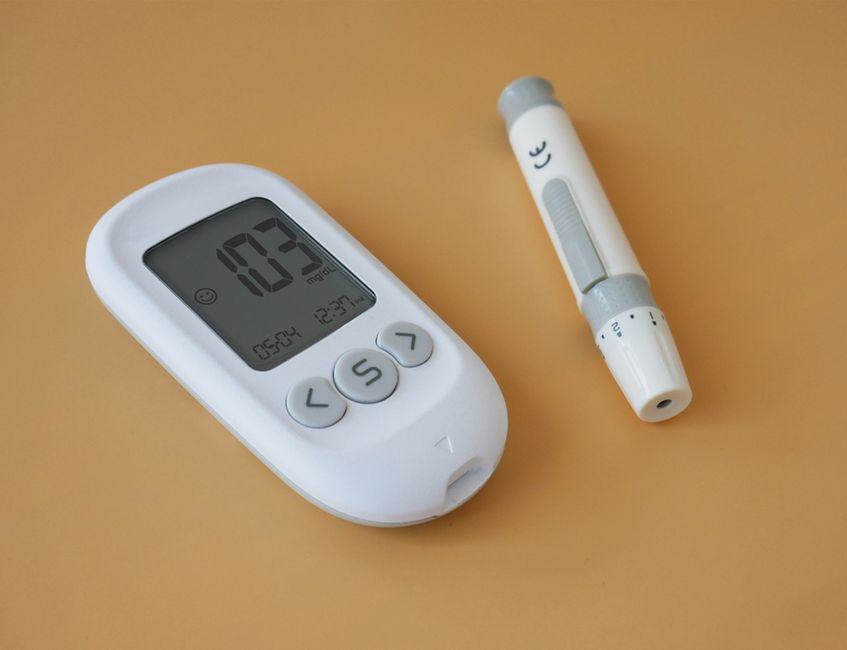
Diabetes affects millions globally, and effective management is crucial for a healthy and fulfilling life. Central to this management is consistent and accurate blood sugar monitoring. Without reliable data, making informed decisions about diet, exercise, and medication becomes challenging, potentially leading to serious health complications.
This comprehensive guide will demystify the supplies for blood sugar testing. We will explore their essential components, the latest technological advancements, and best practices for their use. From traditional meters to advanced continuous glucose monitors (CGMs), understanding these tools is vital.
Our goal is to empower individuals to take control of their health and achieve better outcomes. Quality medical equipment, including essential items like Strive Diabetes testing supplies, plays a pivotal role in this journey towards effective diabetes management.

Effective diabetes management hinges on a proactive approach that equips individuals with the right tools to monitor their condition and make informed daily decisions. Specialty medical supplies are not merely accessories; they are fundamental to disease management, acting as the primary interface between a patient’s body and their care plan. These supplies facilitate preventive care by highlighting trends and potential issues before they escalate, reducing the risk of acute complications such as hypoglycemia (low blood sugar) and hyperglycemia (high blood sugar), and long-term complications such as neuropathy, retinopathy, and kidney disease.
Therapeutic adherence, or consistently following a prescribed treatment regimen, is significantly bolstered by readily available and easy-to-use testing supplies. When patients have convenient access to accurate monitoring devices, they are more likely to test regularly, understand their body’s responses to food, activity, and medication, and adjust their lifestyle accordingly. This continuous feedback loop fosters a deeper understanding of their condition, leading to greater patient empowerment.
The medical necessity of these supplies cannot be overstated. For many, blood sugar testing is as vital as the medication itself. It’s the data that guides insulin dosages, meal planning, and exercise routines. The clinical accuracy provided by modern testing equipment ensures that these critical decisions are based on reliable information, directly impacting a patient’s quality of life. When individuals manage their diabetes effectively, they experience fewer symptoms, reduced stress, and improved daily well-being.
Essential Components of Blood Glucose Monitoring Systems
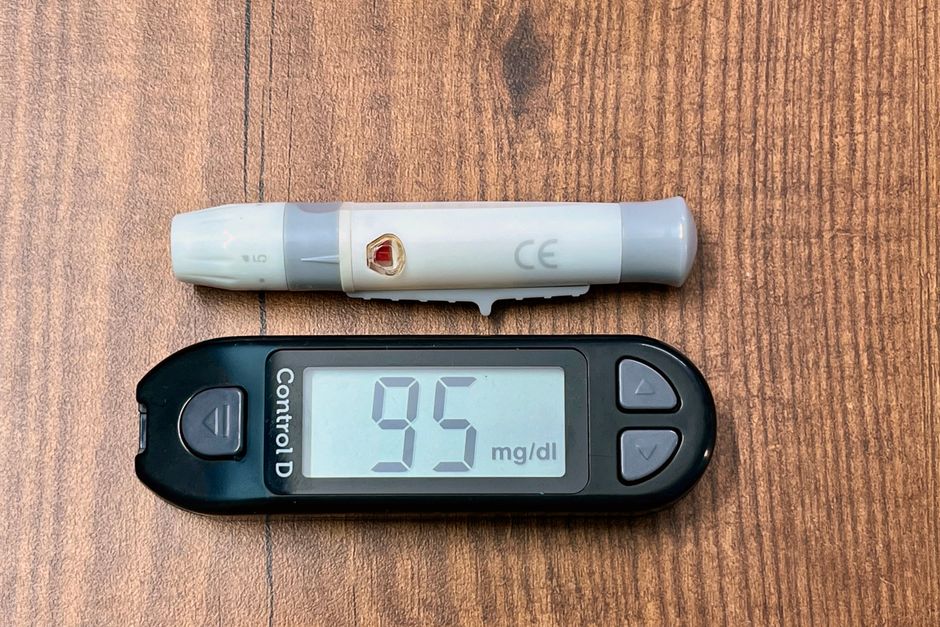
Traditional blood glucose monitoring systems comprise several key components that work in tandem to provide an accurate snapshot of blood sugar levels at a specific moment. Understanding each part is crucial for effective use and reliable results.
Glucose Meters: These are small, portable electronic devices that measure blood sugar levels from a small blood sample. Modern glucose meters are designed for ease of use, often featuring clear displays, memory functions to store readings, and sometimes even Bluetooth connectivity to sync data with smartphone apps or computers. When selecting a meter, consider factors like display size, ease of handling, and the speed at which it delivers results. Some meters, like the OneTouch Verio series, are known for their user-friendly interfaces and clear readings.
Test Strips: These disposable strips are the consumable part of the system where the blood sample is applied. Each strip contains chemicals, typically an enzyme like glucose oxidase, which reacts with the glucose in the blood. This reaction generates an electrical current that the glucose meter measures to determine the blood sugar level. Test strips are specific to the meter they are designed for, meaning you cannot interchange strips between different brands or even different models from the same brand. They have an expiration date and must be stored properly to maintain their accuracy.
Lancets: A lancet is a small, sharp needle used to prick the skin, typically a fingertip, to obtain a blood sample. Lancets come in various gauges (thicknesses), with higher gauges indicating finer needles that can reduce pain. They are designed for single use to ensure sterility and sharpness.
Lancing Devices: These are spring-loaded devices that hold the lancet and control the depth of the skin puncture. It makes finger-pricking quicker, less painful, and more consistent than using a hand-held lancet. Most lancing devices offer adjustable depth settings, allowing users to find the shallowest depth that still produces an adequate blood sample.
Control Solutions: These liquids contain a known amount of glucose and are used to verify the accuracy of your glucose meter and test strips. Periodically, or when you suspect your meter is giving inaccurate readings, you apply a drop of control solution to a test strip and check if the result falls within the range specified on the control solution bottle. This ensures your system is working correctly.
Data Logging: Many modern meters include internal memory to store numerous readings, often with date and time stamps. This data can be invaluable to you and your healthcare provider for identifying patterns, evaluating the effectiveness of your treatment plan, and making necessary adjustments. Some meters can also connect to apps for more advanced data analysis and sharing.
Blood Sample Size: Different meters require varying amounts of blood. Meters that require a smaller blood sample can be beneficial, especially for individuals who find it difficult to produce a larger drop or prefer less invasive pricking.
Selecting High-Quality Specialty Medical Supplies for Accuracy
The accuracy of your blood glucose readings is paramount, as critical health decisions are based on these numbers. When choosing and using your specialty medical supplies, several factors help ensure reliable results.
Meter Calibration: While many modern meters are “no-code” or auto-calibrating, older models might require manual coding to match the test strip batch. Always follow the manufacturer’s instructions carefully for calibration.
Enzyme Reactions: The chemical reaction on the test strip is sensitive to environmental conditions. Extreme temperatures, humidity, or even the presence of certain substances on the skin can interfere with the enzyme’s function, leading to inaccurate readings.
Strip Compatibility: As mentioned, test strips are meter-specific. Using an incompatible strip will yield an error message or, worse, an incorrect reading. Always ensure your test strips match your glucose meter precisely.
Coding Requirements: Some meters require a code to be entered that matches the code on the test strip vial. This ensures the meter is calibrated for that specific batch of strips. Failing to code correctly can lead to significant inaccuracies.
Result Speed: Most meters deliver results within 5-10 seconds. While speed is convenient, it should not compromise accuracy.
Memory Storage: A meter with ample memory storage is beneficial for tracking trends over time. Features that allow for averaging readings or flagging pre- and post-meal results can provide deeper insights into glycemic control. Products like the OneTouch Ultra 2 are known for their reliability and ability to store multiple readings, aiding in comprehensive diabetes management.
Advancements in Continuous and Flash Glucose Monitoring
Beyond traditional finger-prick blood glucose meters, significant technological advancements have led to the development of Continuous Glucose Monitoring (CGM) and Flash Glucose Monitoring (FGM) systems. These innovations offer a more comprehensive view of blood sugar trends, moving beyond single-point measurements.
Continuous Glucose Monitoring (CGM): CGM systems measure glucose levels in the interstitial fluid (the fluid surrounding cells) just under the skin, rather than directly in the blood. A small sensor, typically worn on the arm or abdomen, is inserted and can remain in place for several days to two weeks, depending on the brand. This sensor continuously measures glucose levels and sends data wirelessly to a receiver, smartphone app, or insulin pump.
The key benefits of CGMs include:
- Real-time data: Users can see their glucose levels at any moment, providing immediate feedback on how food, exercise, and medication impact their blood sugar.
- Trend arrows: These indicate whether glucose levels are rising, falling, or stable, allowing for proactive management to prevent highs and lows.
- Hypoglycemia and hyperglycemia alerts: CGMs can be set to alarm when glucose levels fall too low or rise too high, offering a critical safety net, especially during sleep.
- Reduced finger pricks: While some CGMs require calibration with a traditional blood glucose meter, many newer models, such as the Dexcom G7, are factory-calibrated and often eliminate the need for routine finger pricks for treatment decisions.
- Comprehensive data: CGMs provide glucose readings every few minutes, generating a wealth of data that can be reviewed with healthcare providers to optimize treatment plans.
Flash Glucose Monitoring (FGM): FGM systems, exemplified by the Freestyle Libre 2, are a type of intermittently scanned CGM. Like CGMs, they use a sensor placed under the skin to measure interstitial fluid glucose. However, to get a reading, the user must actively scan the sensor with a handheld reader or smartphone. While not truly “continuous” in the sense of automatically sending data every few minutes, they provide a similar level of detail to CGMs when scanned regularly. They also offer trend arrows and can include alarms for high or low glucose. FGM systems are generally less expensive than full CGMs and offer excellent sensor longevity, often lasting up to 14 days.
Both CGM and FGM systems provide invaluable insights into glucose patterns that traditional meters cannot, helping individuals and their healthcare teams make more informed decisions to increase “time in range” (the percentage of time glucose levels are within the target range).
Integrating Specialty Medical Supplies with Insulin Delivery
The evolution of blood sugar testing supplies has closely paralleled advancements in insulin delivery, leading to highly integrated systems that automate or semi-automate diabetes management.
Insulin Pumps: These small, computerized devices deliver insulin continuously throughout the day via a thin tube (infusion set) inserted under the skin. They eliminate the need for multiple daily injections and offer precise dosing.
Automated Delivery and Sensor-Augmented Pumps: The true power of integration lies in pairing insulin pumps with CGM systems. These are known as sensor-augmented pumps. The CGM data feeds directly into the pump, allowing for real-time adjustments to insulin delivery. For example, if the CGM detects a falling glucose trend, the pump can temporarily reduce basal (background) insulin delivery to prevent hypoglycemia.
Closed-Loop Systems (Artificial Pancreas): The most advanced integration involves “closed-loop” or hybrid closed-loop systems. These systems, like the Medtronic Guardian with its associated pump, or the Tandem t:slim X2 with Control-IQ technology, use algorithms to analyze CGM data and automatically adjust insulin delivery from the pump to keep glucose levels within a target range. While not fully automated (users still need to manually input mealtime insulin doses), they significantly reduce the burden of diabetes management and improve glycemic control.
Infusion Sets: Disposable tubing systems that connect the insulin pump to the body. They consist of a cannula (a small, flexible tube) inserted under the skin and an adhesive to keep it in place. Infusion sets need to be changed every 2-3 days to maintain hygiene and prevent infection or insulin absorption issues.
Dextrose Management: In these integrated systems, the continuous monitoring capabilities of CGMs also help manage episodes of hypoglycemia more effectively. By providing early warnings, individuals can take appropriate action, such as consuming dextrose or other fast-acting carbohydrates, to raise their blood sugar before it drops to dangerously low levels. This proactive approach is a cornerstone of modern diabetes care.
Best Practices for Using and Maintaining Testing Equipment
Using your blood sugar testing supplies correctly and maintaining them properly are essential for accurate readings and the longevity of your devices. Errors in technique or neglect of maintenance can lead to unreliable results, potentially impacting your health.
Hand Hygiene: Always wash your hands thoroughly with soap and warm water before testing. Dry them completely. Residual food, sugar, or other substances on your hands can contaminate the blood sample, leading to falsely elevated readings.
Site Rotation: If using a traditional finger-prick method, rotate the fingers and sites you use for testing. Pricking the same spot repeatedly can lead to soreness, calluses, and nerve damage, making future tests more uncomfortable. Use the sides of your fingertips, as they have fewer nerve endings than the pads.
Storage Conditions: Blood glucose meters, test strips, and control solutions are sensitive to environmental factors. Store them in a cool, dry place, away from direct sunlight, extreme temperatures, and high humidity. Always keep test strips in their original tightly sealed vial to protect them from moisture.
Expiration Dates: Always check the expiration dates on your test strips and control solutions. Expired products can yield inaccurate results. Dispose of any expired items and replace them with fresh supplies.
Here’s a comparison of traditional glucose meters and continuous glucose monitors (CGM):
Feature Traditional Glucose Meters (BGM) Continuous Glucose Monitors (CGM) Measurement Type Blood glucose (capillary) Interstitial fluid glucose Frequency of Readings Snapshot at time of test Every 1-5 minutes (continuous) Data Provided Single glucose value Real-time value, trends, history Trend Information None (user infers from multiple tests) Yes (arrows indicating rise/fall) Alerts/Alarms None Yes (for high/low glucose, rate of change) Primary Use Spot checks, calibration (for some CGMs) Continuous monitoring, proactive management Invasiveness Finger prick per test Sensor insertion (worn for days/weeks) Cost of Consumables Test strips (per test) Sensors (per device, worn for days/weeks) Maintaining Specialty Medical Supplies for Longevity
Proper maintenance extends the life of your equipment and ensures its continued reliability.
Battery Replacement: Keep an eye on your meter’s battery indicator. Replace batteries as soon as they show signs of running low to avoid interruptions in testing or data loss.
Sensor Site Care: For CGM users, proper sensor site care is crucial. Follow manufacturer instructions for insertion and removal. Keep the area clean and dry, and be mindful of adhesives to prevent skin irritation. Rotating sensor sites is also important to allow the skin to heal.
Control Solution Testing: Regularly test your meter with control solution. This is especially important when opening a new vial of test strips, if you suspect your meter is damaged, or if your readings seem unusual. This step verifies that your meter and strips are working correctly together.
Device Cleaning: Clean your glucose meter regularly according to the manufacturer’s guidelines. Use a soft, damp cloth and avoid harsh chemicals that could damage the electronics. Ensure no blood or debris enters the test strip port.
Software Updates: If your meter or CGM system has connectivity, regularly check for and install available software or firmware updates. These updates can improve performance, add new features, or fix bugs, enhancing the overall user experience and accuracy.
Troubleshooting Error Codes: Familiarize yourself with common error codes in your meter’s user manual. Knowing what an error code means can help you quickly resolve issues or determine if professional support is needed.
Frequently Asked Questions about Blood Sugar Testing
Understanding the nuances of blood sugar testing can significantly improve diabetes management. Here, we address some common questions.
How often should blood sugar be tested?
The frequency of blood sugar testing is highly individualized and depends on several factors, including the type of diabetes, the treatment plan, and overall health goals. Your healthcare provider will determine your specific testing schedule.
- Type 1 Diabetes: Individuals with Type 1 diabetes, who rely on insulin for survival, typically need to test more frequently, often multiple times a day (before meals, before and after exercise, before bed, and sometimes overnight).
- Type 2 Diabetes: Testing frequency varies for those with Type 2 diabetes. If managing with diet and exercise alone, or with non-insulin medications, testing might be less frequent. If on insulin, testing schedules will resemble those for Type 1 diabetes.
- Gestational Diabetes: Pregnant individuals with gestational diabetes will also need frequent testing to protect both maternal and fetal health.
Common testing times include:
- Fasting (pre-meal levels): Before breakfast.
- Pre-meal levels: Before lunch and dinner.
- Postprandial readings: 1-2 hours after starting a meal to see how food affects blood sugar.
- Before and after exercise: To understand the impact of physical activity.
- Before bed: To ensure safe levels overnight.
- When feeling unwell or experiencing symptoms of high or low blood sugar.
The American Diabetes Association (ADA) provides general target ranges, but your healthcare provider will set personalized targets based on your unique circumstances. Consistent testing helps you and your provider understand patterns and make necessary adjustments to your care plan.
What factors can affect the accuracy of a glucose reading?
Several factors can influence the accuracy of blood glucose readings, making it crucial to be aware of them to ensure reliable results.
- Storage Temperature: Test strips are sensitive to temperature extremes. Storing them in a hot car or a cold refrigerator can degrade the chemicals on the strip, leading to inaccurate readings. Always store strips at room temperature as recommended by the manufacturer.
- Expired Strips: As mentioned earlier, using expired test strips is a common cause of inaccurate results. The chemicals on the strips can degrade over time, reducing their glucose-reactivity.
- Hand Contamination: Any residue on your hands—from food, lotions, or even alcohol wipes that haven’t fully dried—can interfere with the blood sample and skew the reading. Always wash and dry your hands thoroughly before testing.
- Altitude Effects: High altitudes can sometimes affect the accuracy of certain glucose meters, though most modern devices are designed to compensate for this. If you frequently travel to high altitudes, discuss this with your healthcare provider or the manufacturer of your meter.
- Hematocrit Levels: Hematocrit refers to the percentage of red blood cells in your blood. Extremely high or low hematocrit levels (e.g., due to severe dehydration or anemia) can sometimes affect the accuracy of some meters. If you have a condition that affects your hematocrit, inform your doctor.
- Insufficient Blood Sample: Applying a blood sample that is too small to the test strip may result in an error message or an inaccurate low reading. Ensure you get an adequate blood drop.
- Humidity: High humidity can also affect test strip integrity, as it does with temperature.
Can glucose monitors be used without finger pricks?
Yes, advancements in technology have introduced non-invasive or minimally invasive options that significantly reduce, or in some cases eliminate, the need for traditional finger pricks for routine monitoring.
- Continuous Glucose Monitors (CGM): As discussed, CGMs use a small sensor inserted under the skin to measure glucose in the interstitial fluid. While some older CGM models required periodic finger-prick calibrations, newer generations, such as the Dexcom G7, are factory-calibrated and often do not require finger pricks for treatment decisions. They provide real-time data and trends without constant skin punctures.
- Flash Glucose Monitoring (FGM): Systems like the Freestyle Libre 2 also use a sensor under the skin. Users scan the sensor with a reader or smartphone to get a glucose reading. While it’s not truly continuous data streaming like a full CGM, it offers a wealth of information and significantly reduces the number of finger pricks compared to traditional meters.
- Future Non-Invasive Options: Researchers are continually exploring truly non-invasive glucose-monitoring technologies that measure blood sugar without any skin penetration, using methods such as tears, sweat, or even light. While promising, these technologies are still largely in experimental stages and not widely available for clinical use.
For individuals who find finger pricking painful or inconvenient, CGM and FGM systems represent a significant improvement in diabetes management, offering greater comfort and more comprehensive data. However, traditional blood glucose meters still play a role, particularly for confirming CGM readings when they seem inconsistent with symptoms, or for calibration when required by the specific CGM model.
Conclusion
Effective diabetes management is a lifelong journey, and the quality of your blood sugar testing supplies is indispensable for navigating it successfully. From traditional glucose meters and their essential components like test strips and lancets, to the advancements in continuous and flash glucose monitoring, these tools empower individuals to gain unprecedented insight into their glycemic control.
By understanding how these technologies work, adhering to best practices for their use and maintenance, and collaborating closely with healthcare providers, we can transform diabetes from a condition of constant uncertainty into one of informed decision-making. The integration of technology into daily routines fosters greater patient empowerment, leading to better therapeutic adherence and, ultimately, improved long-term health outcomes.
The commitment to using high-quality medical equipment and adopting sustainable management practices ensures that individuals with diabetes can lead healthier, more fulfilling lives.