
 by
by Table of Contents
- Rising Demand for Primary Care
- Expansion of Scope of Practice
- Embracing Telehealth
- Addressing the Aging Population
- Entrepreneurial Opportunities
- Challenges and Considerations
- Conclusion
Family Nurse Practitioners (FNPs) are quickly becoming indispensable as healthcare continues to evolve and adapt to new demands. With a nationwide shortage of primary care providers and growing patient needs, many healthcare leaders now look to FNPs to help bridge the care gap. Their advanced knowledge and holistic approach enable them to deliver vital services across diverse communities. For those considering this field, online nurse practitioner programs Ohio offer a flexible path for registered nurses to advance their education, preparing them to serve in primary care roles where they are needed most.
The increasing reliance on FNPs not only highlights their clinical capabilities but also underscores the importance of accessible, preventive, and comprehensive healthcare. These highly skilled clinicians diagnose, treat, and manage patients with an emphasis on family-centered care. As new healthcare challenges emerge, FNPs are well-positioned to address the needs of underserved populations and deliver patient-first solutions.
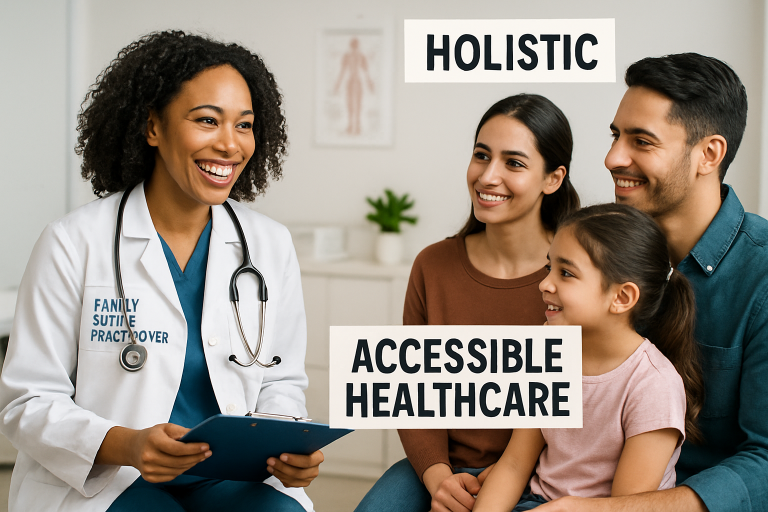
Patients benefit significantly from nurse practitioners’ holistic approach, which combines clinical expertise with a focus on health education and disease prevention. Whether in urban clinics, rural health centers, or telehealth settings, FNPs are shaping the future by improving access to care, especially for vulnerable patient populations. As state regulations continue to expand their practice authority, the outlook for nurse practitioners remains exceptionally strong.
Changing patient demographics, advances in technology, and shifts in healthcare policy are transforming the ways FNPs deliver care. These factors have made the profession more dynamic and impactful, presenting opportunities for leadership and entrepreneurship. As the healthcare landscape becomes increasingly complex, nurse practitioners’ clinical judgment and adaptability ensure that they remain central to delivering high-quality care.
Rising Demand for Primary Care
A significant shortage of primary care physicians is impacting healthcare nationwide, with projections showing a deficit of nearly 86,000 doctors by 2036, according to the Association of American Medical Colleges. The gap is especially evident in rural and underserved regions, where FNPs are increasingly filling the void. In states like Arizona, projections indicate a need for more than 2,000 additional primary care physicians and convenient care physicians by 2030 to meet patient demand.
FNPs enter this environment with graduate-level education and clinical training that enable them to provide primary and preventive care, manage chronic illnesses, and promote wellness strategies. Their unique blend of skills positions them as vital leaders in the future of healthcare.
Expansion of Scope of Practice
As the healthcare system recognizes the high standards of FNP care, more states are granting nurse practitioners greater autonomy. By 2025, 42 states will provide near-full practice authority, allowing FNPs to diagnose, treat, and prescribe independently. This expansion reduces care delays in areas facing provider shortages, letting FNPs address patient needs promptly—especially those with chronic conditions or limited access to specialists.
In states like Wisconsin, nurse practitioners can own and operate their practices, signaling a growing trust in their ability to lead comprehensive care initiatives. This shift is crucial for improving outcomes in communities where access to primary care has traditionally been challenging, and it reflects a broader national movement toward maximizing the healthcare workforce.
Embracing Telehealth
The telehealth revolution has fundamentally changed healthcare delivery, with FNPs at the forefront of this technological shift. Telehealth services, accelerated by the COVID-19 pandemic, allow nurse practitioners to reach geographically isolated patients, manage follow-up visits virtually, and collaborate in multidisciplinary care—all while reducing barriers to access and lowering overall costs.
FNPs utilize digital platforms to conduct health assessments, prescribe medications, and guide the management of chronic diseases—enhancing convenience and continuity of care. According to the American Journal of Managed Care, telehealth can improve patient satisfaction and support preventive healthcare by making routine visits more accessible.
Addressing the Aging Population
The rapidly aging U.S. population produces unique healthcare demands. The Health Resources and Services Administration expects a 50% increase in demand for geriatricians by 2030, even as their numbers decline. This demographic shift underscores the growing importance of nurse practitioners who specialize in geriatric care. FNPs provide personalized care for older adults, including medication management, preventive screenings, and care coordination, ensuring seniors maintain a high quality of life.
The need for expert geriatric care extends beyond hospitals and clinics to long-term care facilities and home healthcare. By focusing on preventive strategies and chronic disease management, FNPs help reduce hospital readmissions and support aging-in-place initiatives—a model that major healthcare organizations, such as the Centers for Disease Control and Prevention, increasingly recognize.
Entrepreneurial Opportunities
With the mainstreaming of full-practice authority and expanded prescriptive rights, an increasing number of FNPs are launching their own primary care practices. This entrepreneurial movement supports innovative, patient-centered care models and fills gaps in areas left underserved by physician shortages. In Florida, for example, nurse practitioners have pioneered sustainable practices tailored to community needs, demonstrating the value and flexibility of NP-led clinics.
Launching their own practices not only empowers nurse practitioners professionally but also allows communities to benefit from care models tailored to local health priorities. These new approaches often include integrated behavioral health, preventive screening, and chronic disease programs that would be otherwise difficult to access.
Challenges and Considerations
Despite the expansion of their roles, FNPs continue to face ongoing challenges that must be addressed. State-by-state differences in practice authority, insurance reimbursement guidelines, and variations in educational standards can hinder the full potential of nurse practitioners. Organizations such as the American Medical Association have raised concerns about the differences in physician and nurse practitioner training, emphasizing the need for continued collaboration, rigorous education, and standardization to ensure patient safety and quality care.
Ongoing professional development and advocacy are essential for advancing the role of FNPs within an increasingly complex healthcare system. With continuous learning and collaboration, nurse practitioners will ensure the profession’s long-term impact and sustainability.
Conclusion
Family Nurse Practitioners remain central to the solution for America’s primary care shortages. As they expand their scope of practice, utilize telehealth, and respond to the needs of an aging population, FNPs are not only evolving their own roles but also transforming the healthcare landscape. Through entrepreneurship, advanced education, and a commitment to holistic care, FNPs are ensuring a brighter, healthier future for all.