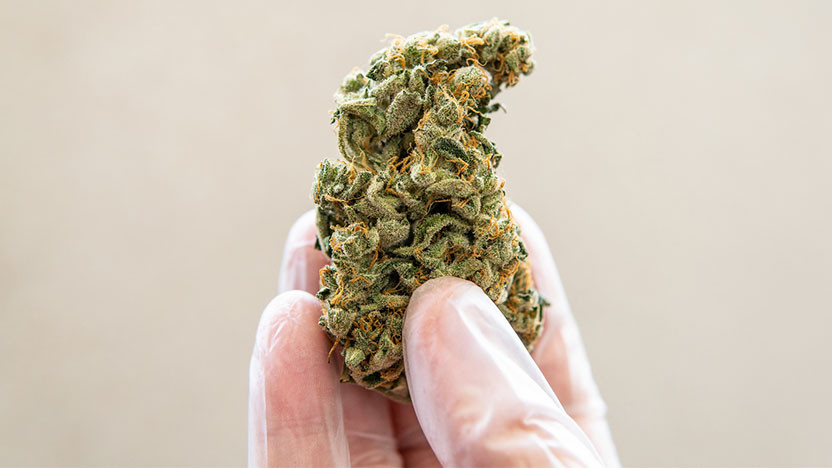
Understanding the Spectrum: Key Cannabinoids and Their Effects

The world of cannabinoids extends far beyond just CBD. While cannabidiol has garnered significant attention, it’s just one of over a hundred different cannabinoids found in the cannabis plant. Each of these compounds interacts with our body’s endocannabinoid system (ECS) in unique ways, leading to a diverse range of potential effects. Understanding the primary players, particularly CBD and THC, is crucial for anyone navigating cannabinoid products. We aim to clarify the distinctions between these compounds, focusing on their psychoactive properties and potential wellness benefits, such as relaxation.

CBD (Cannabidiol)
Cannabidiol, or CBD, is perhaps the most well-known non-psychoactive cannabinoid. This means it does not produce the “high” associated with cannabis. Instead, CBD is widely recognized for its potential to support overall wellness, often contributing to feelings of calm and relaxation without any intoxicating effects. It interacts indirectly with the ECS, influencing receptors and enzymes to help maintain balance within the body. Many individuals turn to CBD for its perceived benefits in managing everyday stress, supporting healthy sleep cycles, and promoting a general sense of well-being. Its widespread availability and legal status in many regions have made it a popular choice for those seeking the therapeutic potential of cannabis without the psychoactive components.
THC (Tetrahydrocannabinol)
Tetrahydrocannabinol, or THC, is the cannabinoid primarily responsible for the psychoactive effects of cannabis. When people refer to the “high” from marijuana, they are typically referring to the effects of Delta-9 THC. This compound directly binds to cannabinoid receptors in the brain, leading to alterations in mood, perception, and consciousness. Due to its intoxicating properties, Delta-9 THC faces more stringent legal restrictions compared to CBD.
However, THC is also evolving. Delta-8 THC, a naturally occurring isomer of Delta-9 THC, has recently gained popularity. It is considered less psychoactive than its Delta-9 counterpart, offering a milder “high.” Despite this, Delta-8 THC occupies a complex legal gray area, as its legality can vary significantly depending on state and federal regulations. Consumers must be aware of the legal landscape surrounding both Delta-9 and Delta-8 THC in their specific locations before considering their use.
A Comprehensive Cannabinoid Products Guide
The market for cannabinoid products has expanded dramatically, offering a wide array of formats designed to suit various preferences and needs. From traditional oils to convenient edibles, targeted topicals, and easy-to-use capsules, understanding the various delivery methods is crucial for selecting the right product for your routine. Each type offers distinct advantages in terms of absorption, onset time, and duration of effects.

CBD Oils and Tinctures
CBD oils and tinctures are among the most popular and versatile cannabinoid products. They typically consist of CBD extract dissolved in a carrier oil, such as MCT oil (derived from coconut) or hemp seed oil. The primary method of consumption involves placing drops under the tongue (sublingually), where the CBD is absorbed directly into the bloodstream through mucous membranes. This sublingual absorption allows for relatively fast-acting effects, usually within 15-45 minutes, and offers higher bioavailability compared to methods that involve digestion. The dropper mechanism also provides excellent dosage flexibility, allowing users to adjust their intake to find their optimal amount precisely. The choice of carrier oil can also influence the flavor and absorption characteristics of the tincture.
Edibles: A Tasty Part of this Cannabinoid Products Guide
Edibles represent a convenient and palatable way to consume cannabinoids. This category includes popular items like gummies, chocolates, and baked goods, all infused with a measured dose of CBD or other cannabinoids. One of the main advantages of edibles is their ease of use and discretion. Each piece contains a pre-measured dose, eliminating the need for measuring drops or sprays. However, because edibles must be digested, their onset is slower, typically ranging from 30 to 120 minutes, as the liver metabolizes the cannabinoids before entering the bloodstream. This also means their bioavailability can be lower than sublingual absorption. Despite the delayed onset, the effects of edibles often last longer, providing sustained relief. Their palatability and variety of flavors make them a popular choice for many users.
Topicals and Creams
Cannabinoid topicals and creams are designed for localized application, meaning they are applied directly to the skin. This category includes balms, lotions, salves, and transdermal patches. When applied topically, cannabinoids interact with cannabinoid receptors located in the skin, muscles, and joints, without entering the bloodstream in significant amounts. This allows for targeted relief without systemic effects. Topicals are often preferred by individuals seeking to address specific areas of discomfort or support their skin health. They are non-intoxicating and provide a direct approach to cannabinoid delivery where it’s needed most. The absorption rate and effectiveness can vary depending on the product’s formulation, including the concentration of cannabinoids and other active ingredients.
Ensuring Quality and Safety in Cannabinoid Products
When exploring cannabinoid products, quality and safety should always be paramount. The market, while growing, still has varying standards, making it essential for consumers to be diligent in their selection. We prioritize transparency and rigorous testing to ensure that the products we use and recommend are pure, potent, and free from harmful contaminants. Key indicators of a high-quality product include comprehensive third-party lab testing, a clear understanding of the hemp source, and the extraction methods employed. These factors directly impact the product’s overall safety, potency, and effectiveness.

How to Read a Certificate of Analysis (COA)
A Certificate of Analysis (COA) is a vital document that verifies the quality and contents of a cannabinoid product. Reputable brands will always provide a COA from an independent third-party lab. When reviewing a COA, there are several key sections to examine:
- Cannabinoid Profile: This section lists the concentrations of various cannabinoids present, such as CBD, THC (Delta-9 and Delta-8), CBG, CBN, and others. It confirms that the product contains the advertised amount of CBD and that THC levels are within legal limits (typically less than 0.3% Delta-9 THC for hemp-derived products).
- Terpene Profile: Terpenes are aromatic compounds found in cannabis that contribute to its scent and flavor, and are believed to offer their own therapeutic benefits, often working synergistically with cannabinoids (the “entourage effect”).
- Pesticide Testing: This confirms that the product is free from harmful pesticides, which the hemp plant can absorb from the soil.
- Heavy Metal Screening: Hemp is a bioaccumulator, meaning it can absorb heavy metals from the soil. This test ensures the product is free from toxic metals like lead, mercury, and cadmium.
- Residual Solvents: If solvent-based extraction methods are used, this test ensures no harmful solvents remain in the final product.
Understanding how to interpret a COA empowers you to make informed decisions about the purity and potency of your cannabinoid products.
Sourcing and Extraction: The Foundation of a Good Cannabinoid Products Guide
The journey of a quality cannabinoid product begins with its source: the hemp plant. We believe that the best products come from USA-grown hemp, cultivated using organic farming practices. This ensures the plants are free from pesticides, herbicides, and other harmful chemicals, which can otherwise end up in the final product. The quality of the soil and cultivation methods have a significant impact on the cannabinoid and terpene profiles of the plant.
Equally important are the extraction methods used to isolate cannabinoids from the plant material. The most common and preferred method for high-quality CBD is CO2 extraction. This process utilizes pressurized carbon dioxide to separate cannabinoids and terpenes from the plant, yielding a clean, pure, and potent extract free from residual solvents. Another method, ethanol extraction, can also be effective when performed correctly, but requires careful post-processing to ensure all alcohol is removed. The choice of extraction method directly influences the purity and safety of the final cannabinoid product. For those seeking more in-depth information and guidance on navigating the vast selection of cannabinoid products, a comprehensive Zaleaf cannabinoid product guide can be a valuable resource to ensure informed choices.
Frequently Asked Questions about Cannabinoids
As interest in cannabinoids grows, so do the questions surrounding their use, effects, and differences. We often encounter similar inquiries from individuals new to these products. Addressing these common questions can help clarify the role of cannabinoids and provide clarity for those considering incorporating them into their wellness routines.
How long does it take for CBD products to work?
The onset time for CBD products can vary significantly depending on several factors, including the delivery method, the individual’s metabolism, body weight, and the specific condition being addressed.
- Oils and Tinctures (Sublingual): When placed under the tongue, CBD is absorbed directly into the bloodstream, leading to effects typically felt within 15 to 45 minutes.
- Edibles (Ingested): Products like gummies or capsules must pass through the digestive system and be metabolized by the liver. This process delays the onset, with effects usually appearing between 30 minutes and 2 hours.
- Topicals: Applied directly to the skin, topicals provide localized effects that can be felt within minutes to an hour, but they generally do not enter the bloodstream systemically.
Understanding these variations helps you manage expectations and time your CBD intake effectively.
Can you fail a drug test from using cannabinoid products?
This is a common concern, especially for individuals subject to regular drug screenings. The answer is nuanced: while CBD itself is generally not detected on standard drug tests, some cannabinoid products, particularly full-spectrum CBD, contain trace amounts of THC (up to 0.3% Delta-9 THC, which is the legal limit for hemp-derived products). If consumed in large quantities or if your body metabolizes THC slowly, these trace amounts could potentially accumulate and lead to a positive drug test for THC.
To minimize this risk, individuals concerned about drug testing often opt for broad-spectrum CBD products or CBD isolates. Broad-spectrum products contain various cannabinoids and terpenes but have had the THC removed, while CBD isolates are pure CBD with no other cannabinoids. We always recommend disclosing your use of any cannabinoid products if you are subject to drug testing, as policies and detection methods can vary.
What is the difference between CBD oil and CBD gummies?
While both CBD oil and CBD gummies deliver cannabidiol, they differ significantly in their characteristics and user experience:
- Absorption Method & Bioavailability: CBD oil, when taken sublingually, offers faster absorption and higher bioavailability because it bypasses the digestive system. Gummies, being edibles, are absorbed through digestion, leading to a slower onset and potentially lower bioavailability due to the “first-pass effect” in the liver.
- Onset of Effects: As mentioned, oils work more quickly (15-45 minutes), while gummies have a delayed onset (30-120 minutes).
- Convenience & Flavor: Gummies are highly convenient, pre-dosed, and come in various flavors, making them a palatable option for many. CBD oils can have an earthy taste that some find unappealing, though flavored options are available.
- Dosage Precision: Oils offer greater flexibility for precise dosage adjustments using a dropper, allowing users to fine-tune their intake with greater accuracy. Gummies come in fixed doses per piece, offering less flexibility but greater consistency.
The choice between oil and gummies often comes down to personal preference regarding taste, convenience, and desired onset time.
Conclusion
Navigating the diverse landscape of cannabinoid products requires a foundation of knowledge and a commitment to quality. As we’ve explored, understanding the differences between cannabinoids like CBD and THC, the various product types available, and the critical importance of third-party testing are all essential steps toward making informed choices.
Our goal is to empower you on your personal wellness journey. By prioritizing products from reputable sources, understanding how to read a Certificate of Analysis, and being aware of the legal nuances, you can confidently select cannabinoid products that align with your needs and values. Your well-being is paramount, and informed decisions are the cornerstone of a positive and practical experience with cannabinoids.